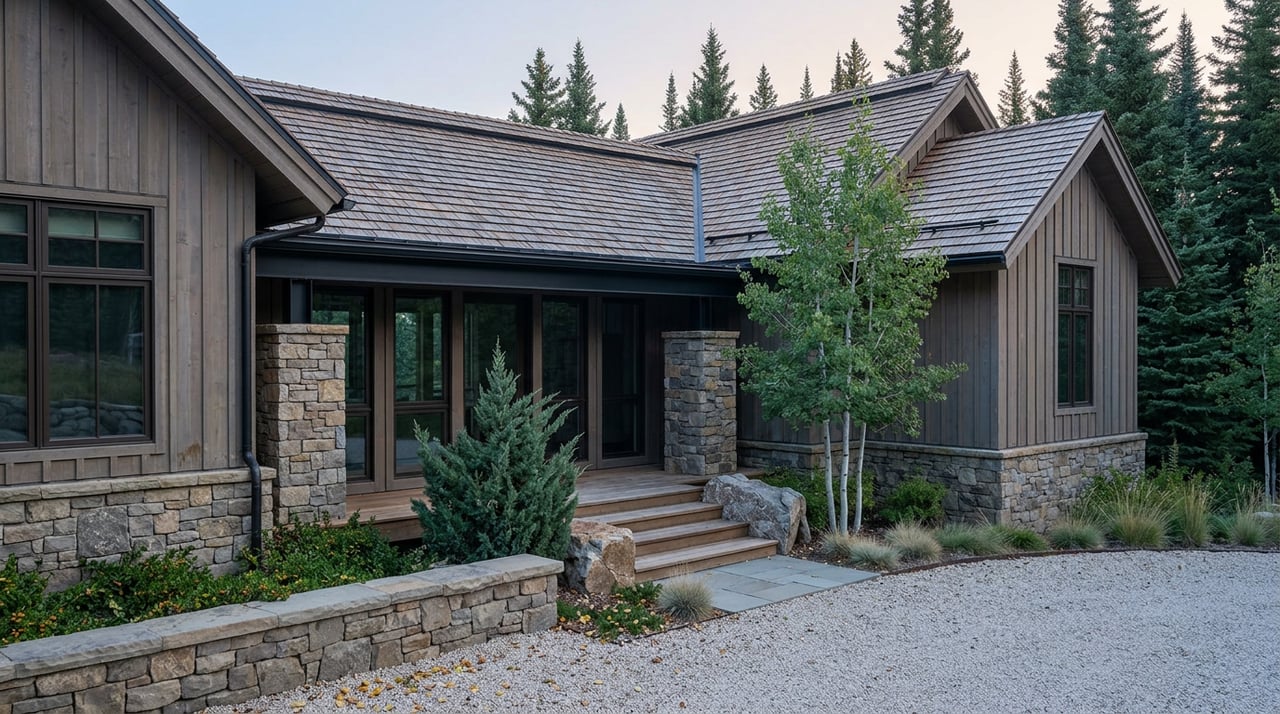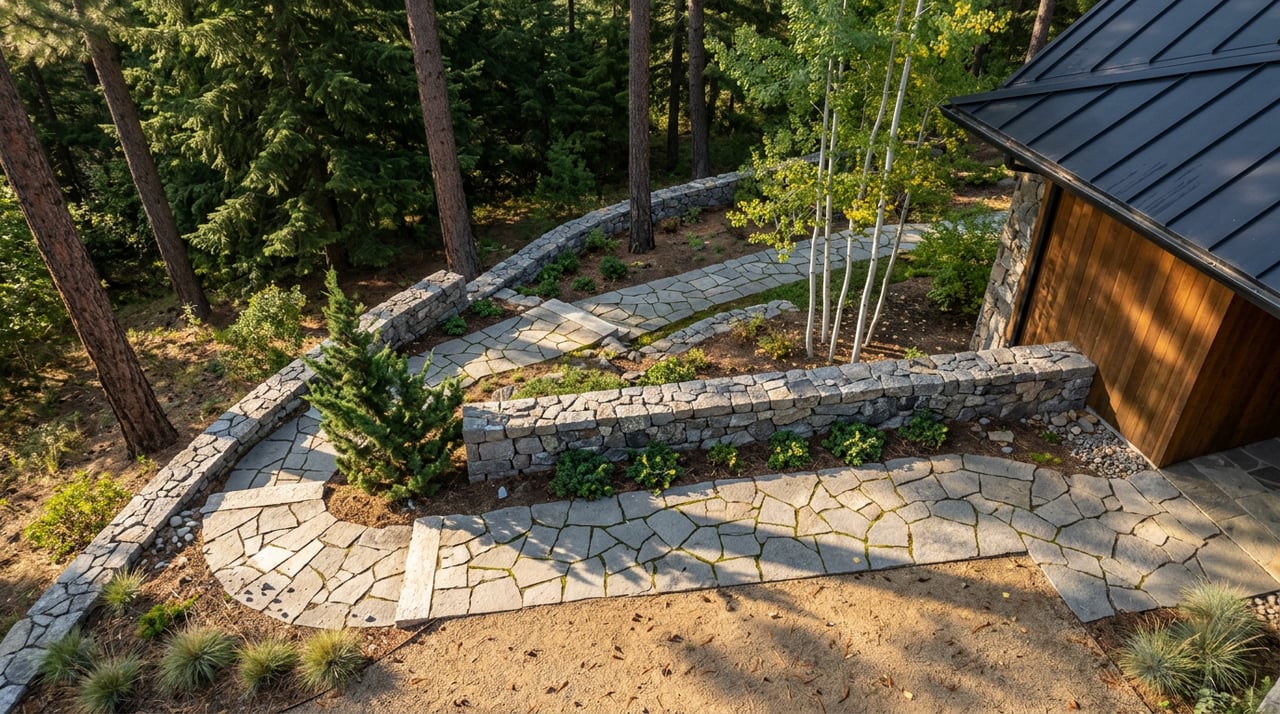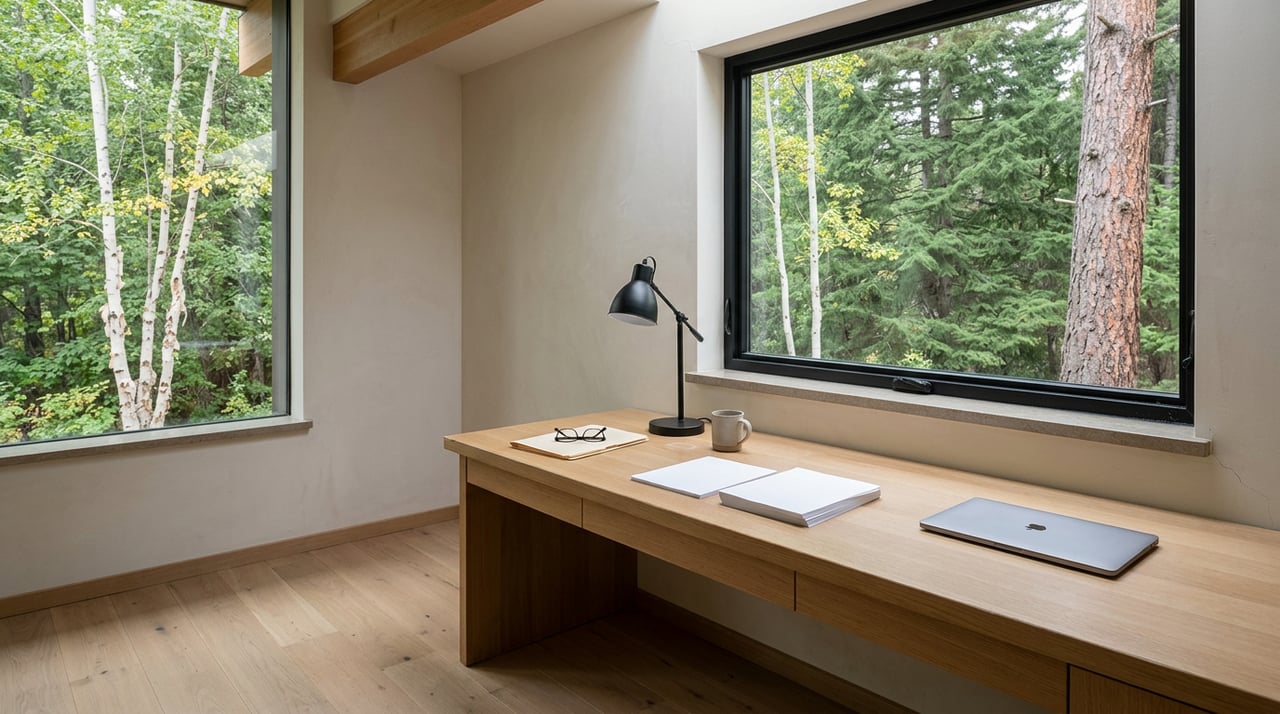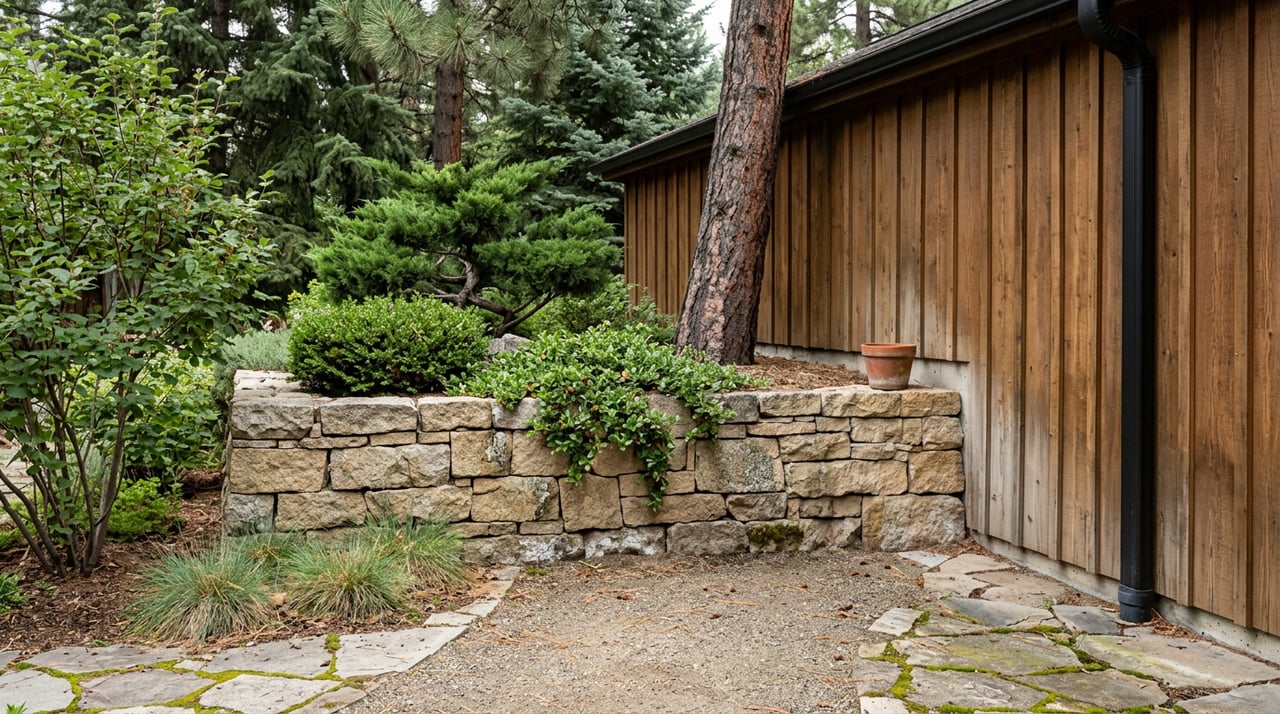
Two homes carry a Golden, Colorado address. Both are zoned single-family. One asks $652,500. The other asks $2.495 million. Neither is an outlier. They sit inside a market that behaves less like a single city and more like five or six small ones stacked around the same two mountains, and often not even inside the same jurisdiction.
If you have been quoted a citywide median for Golden and are using it to set a budget, that number is doing less work than it looks like it's doing. Here is why, and what to check instead.
The Median Is Built From a Handful of Sales
In March 2026, Redfin recorded just 10 closed sales in Golden, down from 14 the year before, even as the reported median price jumped 21.1 percent year over year to $1.1 million. That is not a market shifting under everyone's feet. That is a small number of closings, some of them likely on the higher-priced side of town, pulling the average with them. Zillow's home value index, last updated through May 2026, put the average Golden home value at $869,423, down 0.7 percent over the same period. Two reputable sources, two very different stories, both technically correct, because Golden simply does not sell enough homes in a given month for one number to represent the whole city.
Compare that to the county it sits inside. Jefferson County's median listing price was $637,000 in June 2026, according to Realtor.com data tracked by the Federal Reserve Bank of St. Louis. Golden's core zip codes already start well above that. The city is not just pricier than its county. It is pricier by a margin that only widens the closer you get to a ridge line.
Why Golden Can't Spread Out to Cool Off
Most Front Range suburbs solve a hot market the same way: build outward. Golden mostly can't. The incorporated city covers just under 10 square miles, wedged between North Table Mountain and South Table Mountain, with almost no flat, buildable land left inside its own boundary. Everything carrying a Golden mailing address beyond that ring, including much of the price data agents and portals report as "Golden," actually sits in unincorporated Jefferson County, subject to county rather than city rules on water, fire protection, and zoning.
That distinction shows up directly in the housing stock. Coal Creek Canyon, one of the lower-priced subareas in the current listing data, is an unincorporated mountain community reached by a winding stretch of Highway 72, with no fixed-route public transit and a mail address that only borrows the Golden name. It is priced lower not because it is a lesser version of Golden, but because it is a different market entirely, with its own terrain, commute, and infrastructure constraints.
Meanwhile the incorporated core is running up against the limits of its own water planning. As of July 2026, the City of Golden has residents under an Amended Stage 1 Drought Order that limits outdoor irrigation to two overnight watering events per week, on top of Stage 2 fire restrictions already in place for the summer. A state official involved in reviewing a nearby state-owned parcel for housing put the underlying dynamic plainly to CBS News Colorado: Golden planned its water supply around its municipal boundaries and never projected major growth, and because the city has stayed landlocked for decades, it "hasn't exhausted those supplies the way some fast-growing communities have."
That is a useful sentence for anyone house hunting here. A city that planned its infrastructure for a fixed footprint does not get a pressure release valve when demand rises. Instead, scarcity gets allocated street by street, based on whatever each parcel already has: a protected view corridor, proximity to the historic downtown core and Colorado School of Mines, or simply more buildable acreage than the lot next door.
What a Budget Actually Buys Depends on Which Side of the Ridge
Realtor.com's subarea data makes the spread concrete. These are median list prices, not closed sales, but they show how far a single city can stretch:
| Area | Median list price | Days on market |
|---|---|---|
| East Old Golden Road | $652,500 | — |
| ZIP 80401 | $794,500 | 44 |
| Coal Creek Canyon | $729,650 | — |
| ZIP 80403 | $1,095,000 | 41 |
| Lookout Mountain | $1.325 million | — |
| North Foothills | $2.495 million | — |
That is roughly a four-to-one range across a market most people describe with a single word, Golden, even though several of these subareas sit outside the city's own boundary in unincorporated Jefferson County. Even within a single named subdivision inside the city, the spread holds. Homes in the North Table Mountain neighborhood, for example, have listed anywhere from the upper $400s to more than $1 million depending on lot size and whether the parcel backs to open space or a subdivision street. A vacant buildable lot there can run from the mid $300s to the upper $500s before anyone breaks ground.
The pattern underneath all of it is lot control, not square footage. A property with a documented, protected sightline to the Continental Divide behaves like a different asset class than a similar-sized home two streets away without one. Homes on Lookout Mountain and in the foothills subareas often run on well and septic systems rather than municipal service, which changes both the carrying cost and the due diligence checklist before closing. None of that shows up in a citywide median. All of it shows up in the closing documents.
The One Piece of Land That Breaks the Rule
If landlocked scarcity is the normal condition in Golden, the Golden Range at Lookout Mountain project is the exception, and it is only possible because the usual rule about scarce land didn't apply to it.
The 41-acre site sits between Fossil Trace Golf Course and a state youth services facility, currently zoned for single-family use, and because the state already owned it, the parcel didn't have to compete on Golden's private land market to become available. The bidding process for developers closed March 17, 2026, drawing nine proposals after more than 20 developers attended an initial site visit. In early May 2026, the state selected five developers and nonprofits, Shanahan Development, Brikwell, Rural Homes, Habitat for Humanity, and Elevation Community Land Trust, to build 210 for-sale homes and 168 rental units, under a proposed ground-lease model that could keep the land publicly owned for up to 99 years.
A communications manager for the state's P3 Collaboration Unit summed up the logic behind using state-owned land instead of waiting for the private market to assemble something comparable: "Right now, this is a piece of land that's not generating any income. Once it's developed and we have residents here, it will help the tax base."
That is a rare setup. The other significant new-supply project moving through the area recently, a mixed-use development called AVERE with roughly 285 apartments and 68 townhomes across 14.4 acres along South Golden Road, sits just east of the city limits rather than inside the incorporated boundary. Private developers can still assemble land near Golden. They just tend to do it on the other side of the line that constrains everything else in this piece, not inside the neighborhoods where the scarcity premium lives.
What This Means If You're Comparing Neighborhoods
A citywide median tells you almost nothing useful about what your specific budget will get you in Golden. A few things will:
- Pull comparables from the actual subarea, not the city average. The gap between 80401 and 80403 alone is close to $300,000 on median list price.
- Ask what the price is actually buying on that lot. A documented view corridor, direct trail access, or a walk to Washington Avenue and the School of Mines campus each carry weight that square footage alone doesn't capture.
- If you're looking above Golden's core, in Lookout Mountain, Coal Creek Canyon, or the North Foothills, confirm water source, septic condition, and any shared private road maintenance agreement before you remove an inspection contingency. These systems affect resale as much as they affect your monthly cost.
- Treat any single month's median price with some skepticism. With well under 20 closings most months, one or two high-end sales can move the number more than the underlying market has actually moved.
A Few Questions Worth Asking Before You Commit to a Number
Is Golden currently a buyer's market or a seller's market? Different platforms describe it differently depending on how they define competitiveness, but the underlying signal is consistent: low monthly sales volume paired with genuine demand for well-located, well-priced homes. That combination tends to reward preparation over speed.
Will the Golden Range at Lookout Mountain project change prices nearby? It's too early to say with confidence. The project is still working through design and zoning review, and 210 for-sale units phased in over time is unlikely to move prices in the tighter, view-driven pockets of Golden the way it might in a less geographically constrained market.
Why do days-on-market numbers vary so much between sources? Different platforms measure different milestones, some track time to pending, others track time to closed. In a market with as few monthly transactions as Golden's, that methodology difference can look like a bigger swing than it actually is.
Golden rewards buyers and sellers who look past the headline number and get specific about the parcel, the water rights, the view, and the zip code. That is the kind of detail that matters most in a market shaped less by broad trends and more by geography that hasn't changed in a hundred years.
If you're weighing a move into Golden or trying to price a home there accurately, Alicia Sexton can walk through the specific subarea data with you and help you build a budget around what a parcel actually offers, not just what the city average suggests. Let's connect.