Wondering if Black Hawk could be the right place for your Colorado second home? It can be a compelling option if you want mountain scenery, quick access from the Denver area, and a property that feels more like a private retreat than a typical resort condo. But Black Hawk also comes with local rules, seasonal logistics, and property details that matter more than many buyers expect. Here’s what you should know before you buy.
Why Black Hawk appeals to second-home buyers
Black Hawk is best known as a historic mining town and gaming destination, but for buyers, it offers something a little different from Colorado’s classic ski-town second-home markets. It sits west of Denver and can be reached via I-70 and Central City Parkway or by CO 119, which makes seasonal travel fairly straightforward for many Front Range and out-of-state owners.
The city is small, under two square miles, and functions as part of a mountain gaming corridor rather than a traditional vacation-home market centered on ski-in, ski-out living. That distinction matters because the ownership experience here is often more about mountain-home upkeep, privacy, and access than turnkey resort amenities.
If you are looking for a second home that gives you a foothold in the mountains, easy weekend use, and proximity to recreation, Black Hawk may deserve a closer look. If you are expecting a classic short-term-rental resort model, you will want to slow down and look carefully at the local rules first.
What homes in Black Hawk often look like
Black Hawk tends to have a relatively small inventory, and current public listing snapshots point to a market dominated by detached homes rather than dense condo stock. Major portals recently showed fewer than 100 homes on the market, with a median listing price around $769,500.
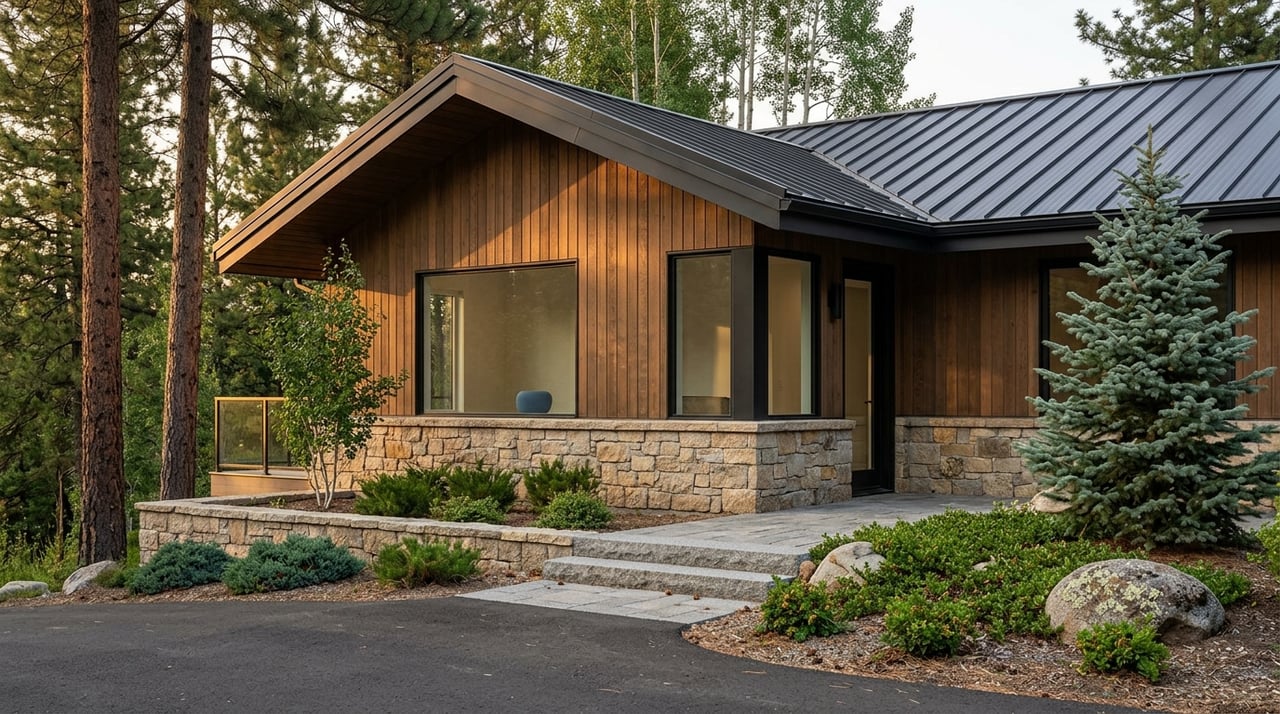
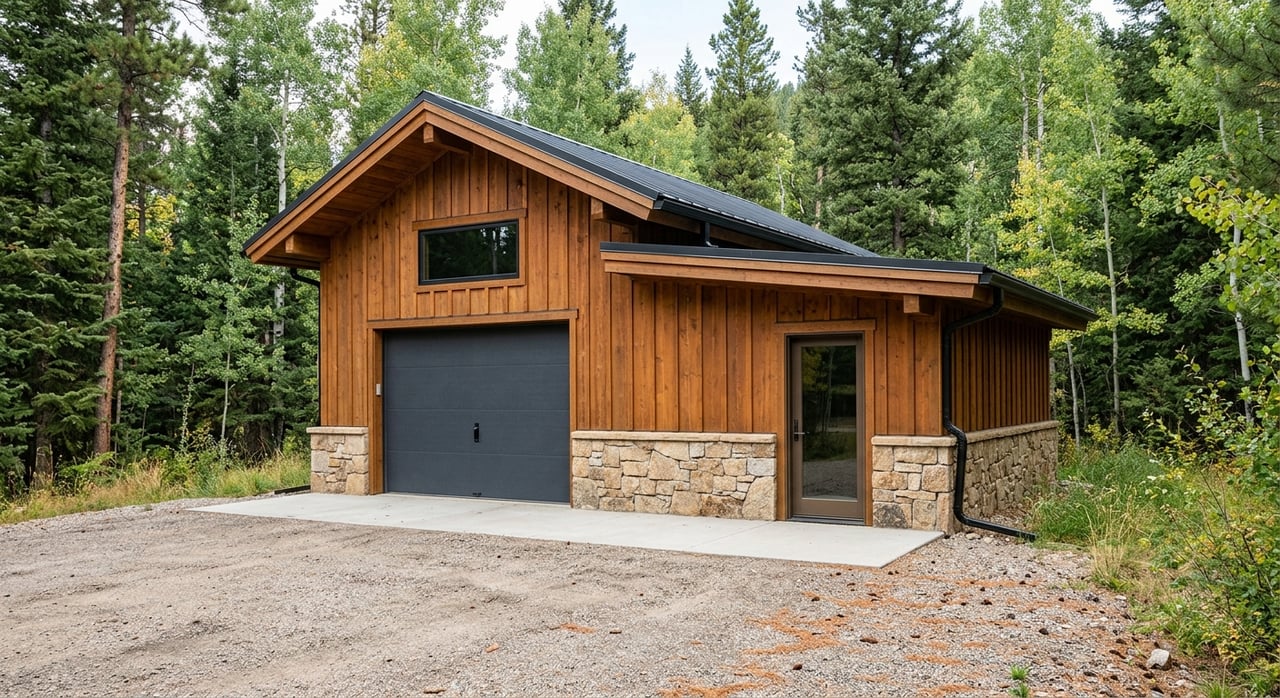
Many listings point to larger parcels and mountain-specific features. You will often see garages, decks, basements, mountain views, and land measured in acres rather than a standard suburban lot size.
Some homes also reference practical systems that deserve extra review, such as wells, septic systems, or other site-specific infrastructure. In a market like this, the property itself is only part of the decision. The land, utilities, access, and maintenance needs are just as important.
Mountain property details to check closely
If you are buying a second home in Black Hawk, it helps to think beyond finishes and floor plans. Focus on how the property functions during every season, especially if you will not be there full time.
Key items to review include:
- Water and sewer setup
- Driveway access and snow management
- Roof condition and exterior exposure
- Decks, retaining walls, and drainage
- Garage space and storage for gear or seasonal supplies
- Any mention of wells, septic, or other private systems
This is where mountain-area expertise matters. A home can look ideal online but come with service and maintenance demands that affect how easy it is to own from a distance.
Short-term rental rules are a major factor
For many second-home buyers, this is the most important point in Black Hawk. The City of Black Hawk prohibits short-term rentals.
Under the city’s 2024 ordinance, only properties that already held a valid short-term-rental license as of February 14, 2024 may continue as legal nonconforming uses. Even then, that status continues only until the property is sold or the use is abandoned.
That means Black Hawk is generally not a fit for an Airbnb-style second-home strategy unless a property has that protected legacy status and you have confirmed the details directly. If rental income is part of your purchase plan, you should verify the property’s status before assuming any short-term rental use is allowed.
What this means for your buying strategy
This local rule changes how you should evaluate value. In some mountain markets, buyers weigh personal use against short-term rental potential. In Black Hawk, the city rule usually shifts the focus toward personal enjoyment, long-term ownership goals, and practical usability.
If you are comparing Black Hawk to other Colorado vacation areas, keep this distinction front and center. It is one of the clearest reasons this market behaves differently from many other second-home destinations.
Seasonal ownership is more hands-on
A second home in Black Hawk can be very rewarding, but it usually is not a purely passive ownership experience. The city’s services and local routines reflect the realities of mountain living.
For example, the city operates the water system and notes that it serves the entire city from two treatment facilities drawing from North Clear Creek and Clear Creek. Residential trash pickup is on Wednesdays, but curb timing differs between summer and winter, which is a good reminder that daily ownership logistics change with the seasons.
If you are only in town part of the year, small local details can affect convenience more than you might expect. Black Hawk also provides resident and guest parking permits, allows certain recreational vehicle or equipment permits for up to 72 hours, and requires annual dog licensing.
Questions to ask before you close
Before buying, make sure you understand the rhythm of part-time ownership. A few simple questions can help you avoid surprises.
Ask about:
- Snow removal needs and winter access
- Parking rules for owners and guests
- Trash timing and curb requirements
- Utility setup and service providers
- How often exterior systems need inspection or upkeep
- Whether you will need help coordinating maintenance when you are away
For many second-home owners, peace of mind comes from having a clear local plan, not just a beautiful property.
Renovations and repairs need local review
If you plan to update the home after closing, Black Hawk’s permit and contractor rules should be part of your due diligence. The city states that contractors must be registered and licensed, and many common projects require permits.
That includes work such as re-roofing, decks, siding, HVAC equipment, water and sewer work, retaining walls, and garages. In other words, projects that might feel routine elsewhere can require more planning here.
The city also lists mountain-specific building standards and adopted codes, including a 77 pounds-per-square-foot snow load and a 48-inch frost depth. It also notes a floodplain overlay district, a radon mitigation reimbursement program, and a Wildfire Resiliency Code scheduled to take effect on July 1, 2026.
Why these details matter for second-home buyers
If you are buying a property with the idea of improving it over time, local code requirements can affect budget, timeline, and contractor coordination. The same goes for exterior maintenance and resilience planning.
The city’s free smoke and fire alarm program is another practical reminder that life-safety planning is part of mountain ownership. A smart purchase decision looks not only at what the home is today, but also at what it may take to maintain or improve it responsibly.
Taxes and county deadlines matter
Part-time owners should also pay close attention to Gilpin County’s ownership calendar. The county assessor says notices of valuation are mailed on May 1, and May is the window for valuation protests.
The county treasurer also notes that property owners are responsible for paying property taxes every year even if a notice does not arrive. If you own a second home and receive mail elsewhere, keeping your mailing information current is essential.
This may sound minor, but it is one of the most common ways part-time ownership becomes more stressful than it needs to be. Good systems and good reminders make a big difference.
A simple checklist before buying
If Black Hawk is on your shortlist, use this as a practical starting point:
- Confirm whether the property is inside the City of Black Hawk
- Verify whether any legacy short-term-rental status exists
- Review water, sewer, well, or septic details carefully
- Ask about winter access, snow load, and exterior maintenance
- Check permit history if the home has been improved
- Review floodplain, wildfire, and radon considerations where relevant
- Keep county tax mailing information current after closing
Each one of these steps helps you move from browsing to buying with more confidence.
Is Black Hawk a good fit for your second home?
Black Hawk can be a strong choice if you want a mountain property with character, recreation nearby, and access that works for weekend or seasonal use. It can be especially appealing if your goal is a personal retreat rather than a heavily rented vacation property.
The key is going in with clear expectations. This market rewards buyers who understand mountain homes, local rules, and the operational side of part-time ownership.
When you match the right property with the right plan, Black Hawk can offer a second-home experience that feels private, practical, and distinctly Colorado. If you want expert guidance on buying in Colorado’s mountain communities, Alicia Sexton can help you evaluate the details that matter most.
FAQs
Can you use a Black Hawk home as a short-term rental?
- In most cases, no. The City of Black Hawk prohibits short-term rentals, except for certain properties that already had a valid license as of February 14, 2024 and retain legal nonconforming status.
What types of second homes are common in Black Hawk?
- Black Hawk listings often lean toward detached mountain homes on larger parcels, with features like garages, decks, basements, and mountain views.
What should you check about utilities in a Black Hawk second home?
- You should confirm water and sewer service and pay close attention to any listing that mentions private systems such as wells or septic.
What maintenance issues matter most for a Black Hawk second home?
- Snow management, roof and exterior upkeep, driveway access, seasonal service coordination, and permit requirements for repairs or upgrades are all important.
When should Black Hawk second-home owners watch for property tax deadlines?
- Gilpin County mails notices of valuation on May 1, and May is the protest period. Owners are responsible for paying property taxes even if a notice does not arrive.