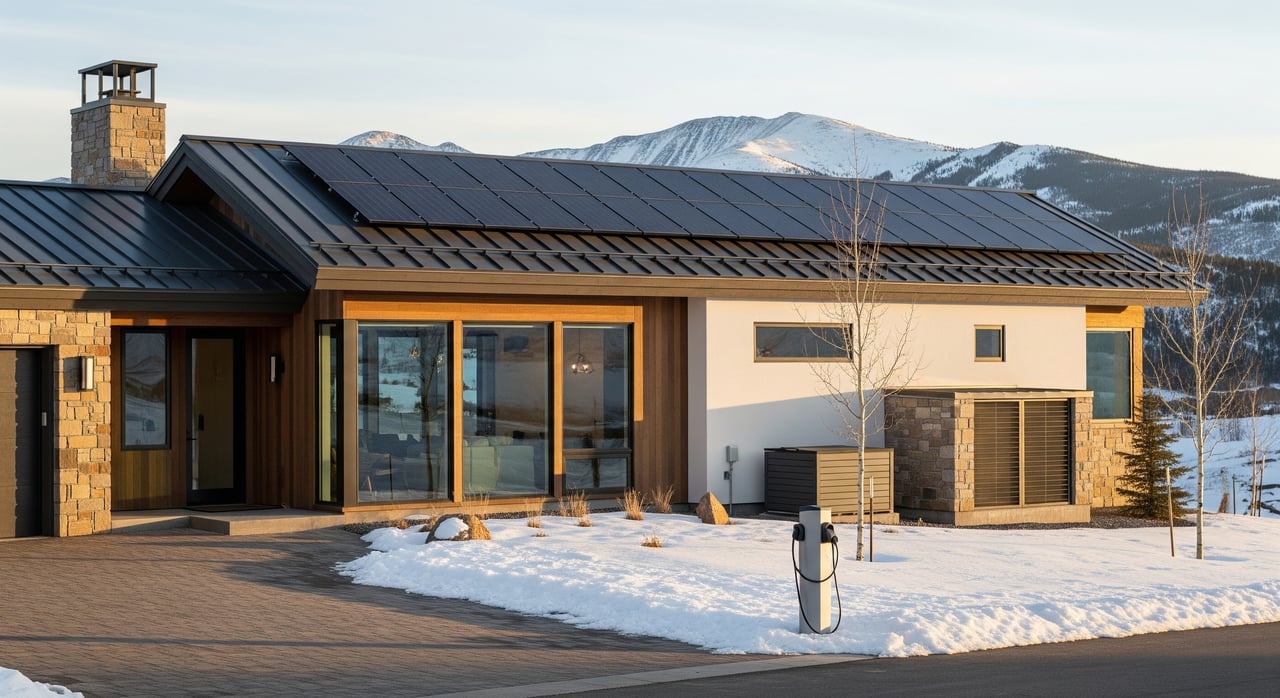
Winter at 8,000 feet asks a lot from your home. If you live in Pine or Bailey, you feel it in colder rooms, higher bills, and the constant worry about frozen pipes or ice dams. The good news is that a few targeted upgrades can make your home warmer, quieter, and more resilient while adding real resale appeal. In this guide, you will learn where to invest first, how to avoid common pitfalls, and how to plan projects in a smart order for our 80421 climate. Let’s dive in.
Why 80421 homes need a different plan
Pine and Bailey sit at high elevation with long, cold heating seasons and strong winter sun. That mix means your home loses heat quickly at night yet can gain free heat through south-facing glass on sunny days. Rural realities add extra layers, like propane heating, well and septic systems, and small utility cooperatives. With frequent snow and freeze‑thaw cycles, you also need to manage ice dams and protect exposed plumbing.
The most effective strategy is simple. First, reduce heat loss through air sealing and insulation. Then, fine-tune your heating and controls, address freeze risks, and use the abundant sun wisely. As you plan bigger steps like heat pumps or solar, verify roof loads, utility rules, and incentives ahead of time.
Insulation and air sealing first
Air leaks and under-insulated attics are the top causes of drafts, cold ceilings, and ice dams. Sealing the ceiling plane and adding insulation deliver fast comfort gains and lower bills. In our climate, this upgrade often offers the best return on investment.
Where to seal and insulate
Target your attic or ceiling first, then rim joists, exposed floors over crawlspaces, and basement walls. Pay special attention to common leak paths like can lights, attic hatches, plumbing and wiring chases, and recessed fixtures. Weatherstrip the attic hatch and seal gaps before you add insulation. If walls are accessible, dense-pack insulation can help, but prioritize the attic and rim joists.
Test, then invest
A blower-door test and infrared scan show exactly where heat escapes. Ask for combustion safety testing if you have fuel-burning appliances, especially after major air sealing. With clear diagnostics, you can prioritize the biggest leaks and avoid wasted effort.
Resale benefits
Documented insulation and air sealing improvements tell buyers your home is comfortable and efficient. Keep photos, invoices, and any audit reports to show lower operating costs and a well-cared-for property.
Smarter heating and controls
In 80421 you will see a mix of propane furnaces, electric resistance heat, wood or pellet stoves, and heat pumps. Tuning what you have and adding smart controls can cut costs and improve comfort.
Cold-climate heat pumps
Modern cold-climate air-source heat pumps can perform well in high-elevation cold. Sizing, proper installation, and a backup heat strategy for the coldest snaps are essential. Heat pump water heaters are also efficient for homes on electric service. Before switching, reduce your heating load with air sealing and insulation so the system can be smaller and more cost-effective.
Smart thermostats that actually fit
Smart thermostats can save energy with schedules, geofencing, and remote control. Confirm compatibility with your system, especially if you have a heat pump, propane furnace, or older two-wire or millivolt setup. Some models require a common wire or adapter, and hydronic controls may need specialized solutions. Ductless minisplits provide room-level control on their own, so plan your zoning accordingly.
Safety and maintenance
Schedule annual tune-ups for combustion appliances and verify flues are clear. Install and test carbon monoxide alarms. Good maintenance improves efficiency and protects your household.
Windows, glazing, and solar gain
You can use our strong winter sun to your advantage. South-facing windows can add daytime warmth, while proper glass and shades limit nighttime heat loss.
Replace or retrofit
If replacement is in your budget, choose high-performance double-pane or triple-pane units with low-E coatings and argon or krypton fill. If not, storm windows or interior insulating panels are effective retrofits. Proper installation and air sealing around the frame matter as much as the glass itself.
Shade summer, warm winter
Add fixed overhangs or exterior shades sized to block high summer sun while letting in low winter sun. Inside, insulating cellular shades help reduce overnight heat loss. If you plan landscape changes, consider deciduous trees or adjustable exterior shades where space and wildfire guidelines allow.
Pipe freeze and ice dam protection
Freeze-prone areas and chronic ice dams can cause costly damage. Address insulation and air sealing first, then use targeted electric heat solutions where needed.
When to use heat tape
For exposed pipes in unheated spaces, use UL-listed, self-regulating heat tape with a thermostat. Insulate pipes and, during extreme cold, a brief hot water trickle can help as a temporary measure. Permanent heat-trace installations on well or service lines should be done or inspected by licensed pros and protected by GFCI.
Roof de-icing and attic fixes
De-icing cables along eaves and valleys can reduce ice dam risk when installed per manufacturer instructions. Pair them with proper attic insulation and ventilation to tackle the root causes. Have an electrician confirm correct sizing and protection.
Passive solar and site strategies
With strong winter sun and big day-night swings, passive measures help smooth temperatures without moving parts.
Airlock entries and thermal mass
An enclosed entry or insulated vestibule limits infiltration at doors. Inside, tile, masonry, or concrete floors in sunny areas can absorb daytime heat and release it at night. These details boost comfort without adding ongoing costs.
Landscaping with wildfire in mind
Windbreaks on the windward side can reduce heat loss, and thoughtful shading can limit summer heat. Balance plant choices with defensible-space practices for wildfire safety. Coordinate energy goals and resilience as you select materials and vegetation.
Solar, batteries, and electrification
High-elevation sun makes solar attractive when your roof and utility rules align. Batteries add resilience for rural outages and help manage energy use.
Is rooftop solar a fit here
Confirm roof orientation, tilt, shading, and structural capacity for snow loads. Utility interconnection and net metering rules vary by provider, so verify requirements before you size a system. Reducing your home’s load first increases the value of every solar kilowatt.
Batteries for resilience
Battery storage can keep essential loads on during outages and may reduce peak energy costs. Pairing batteries with solar improves both uptime and long-term savings. Ask installers about cold-weather performance and location options.
Incentives and interconnection
Federal credits and Colorado programs often support heat pumps, insulation, and solar. Program details change, so confirm eligibility, application steps, and timing with state resources and your utility before you commit.
The right project order
Follow a logical sequence to save money and avoid rework.
- Get a home energy audit with blower-door testing and combustion safety checks.
- Air seal and insulate the attic and rim joists.
- Add insulation to attics, walls, and floors as needed.
- Tune the heating system and install compatible smart controls.
- Upgrade windows after sealing and insulation, or add storm windows first.
- Protect freeze-prone pipes with insulation and heat tape where needed.
- Add passive solar tweaks and shading to balance seasons.
- Install solar, batteries, and heat pumps once loads are reduced.
How to hire for mountain projects
Choosing the right pros saves time and protects your investment.
What to ask during bids
Look for contractors with high-elevation and snowy-climate experience. Request written scopes with product specs like R-values and U-factors, plus manufacturer installation guidelines. Verify licenses and insurance, ask for local references, and get multiple quotes.
Paperwork to keep for resale
Save energy audit reports, thermal imaging, blower-door results, permits, invoices, and warranty documents. Keep product spec sheets and any estimated savings. This packet helps buyers see the value you have added.
Costs, payback, and programs
Insulation and air sealing typically deliver faster payback than full window replacement. Your return depends on local fuel costs, weather, and how you heat the home. If you plan to electrify with heat pumps or add solar, confirm incentives and utility rules early. Many contractors or utilities offer financing options that can smooth out project costs.
Safety, permits, and wildfire
After major air sealing, verify combustion appliance draft and carbon monoxide levels. Heat tape and de-icing systems must be UL-listed, GFCI-protected, and installed to code. Structural changes, solar, electrical work, and major HVAC projects often require permits. If you are considering fire-resistant roofing, ember-resistant vents, or non-combustible siding, weigh energy impacts and insurance benefits as part of the plan.
Turn upgrades into resale value
Buyers in mountain markets value comfort, reliability, and lower operating costs. When you can show better insulation, steady indoor temperatures, consistent hot water, and protected plumbing, your home stands out. Renewable energy systems and wildfire-resilient materials can further improve appeal. Present your documentation with confidence during showings and inspections.
Quick homeowner checklist
- Schedule a professional energy audit with blower-door testing.
- Seal the ceiling plane, insulate the attic, and address rim joists.
- Inspect for freeze risks and add pipe insulation or heat tracing where needed.
- Verify smart thermostat compatibility before you buy.
- If exploring solar or batteries, get a roof assessment and check utility interconnection rules.
- Save all permits, invoices, specs, and warranties for resale.
Ready to tailor a plan to your Pine or Bailey home or prep for a future sale along the 285 corridor? For local, mountain-specific guidance and a clear path from upgrade to market, reach out to Alicia Sexton. Let’s connect.
FAQs
What are the first energy upgrades to do in Pine and Bailey homes?
- Start with a blower-door audit, then air seal and insulate the attic and rim joists for the biggest comfort and bill savings.
Are cold-climate heat pumps reliable at high elevation around 8,000 feet?
- Yes, modern units rated for low temperatures work well when properly sized, installed, and paired with a backup heat plan for extreme cold.
Do I need heat tape to prevent frozen pipes in 80421?
- Use UL-listed, self-regulating heat tape on exposed, freeze-prone lines in unheated areas, and combine it with pipe insulation for best results.
Should I replace windows or use storm panels first in this climate?
- Often, storm windows or interior panels give strong returns after sealing and insulation, with full replacements prioritized for failing or leaky units.
Is rooftop solar worth it in snowy mountain areas like Pine and Bailey?
- High-elevation sun makes solar attractive; confirm roof capacity, orientation, and your utility’s interconnection rules before sizing a system.
How do energy upgrades affect resale in 80421?
- Documented efficiency, reliable heat, freeze protection, and any renewable systems increase buyer confidence and can improve marketability.