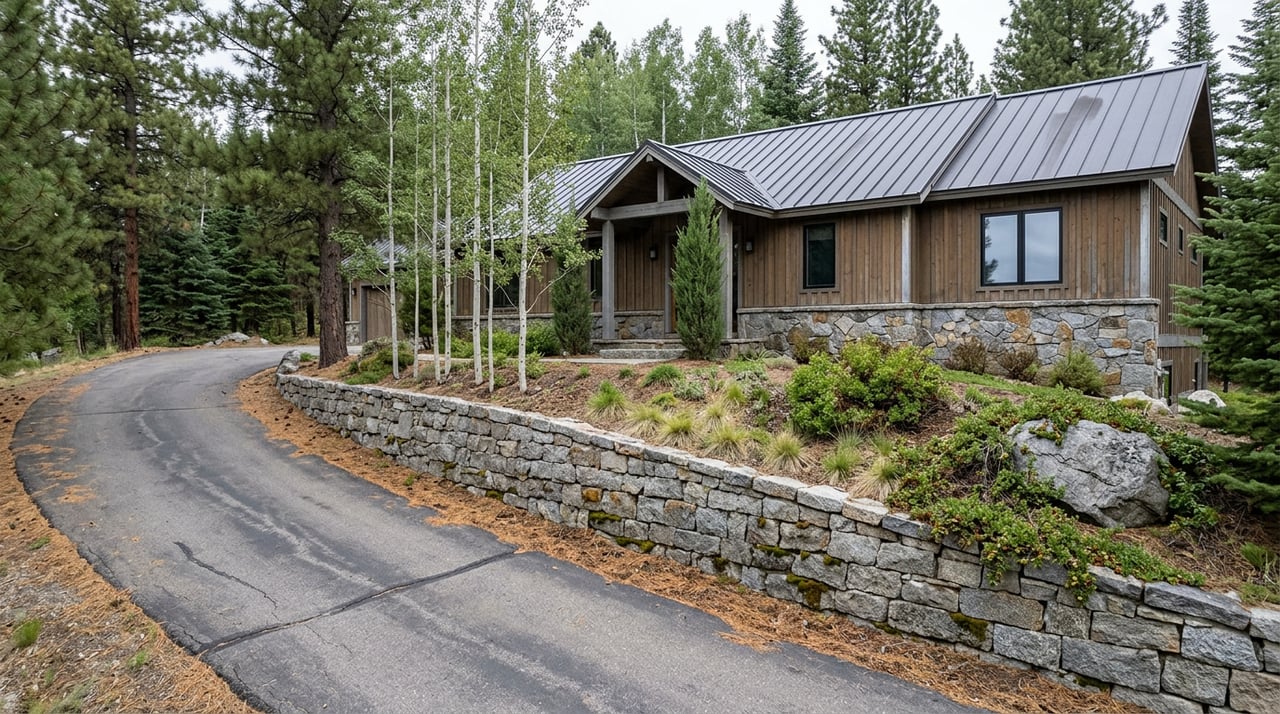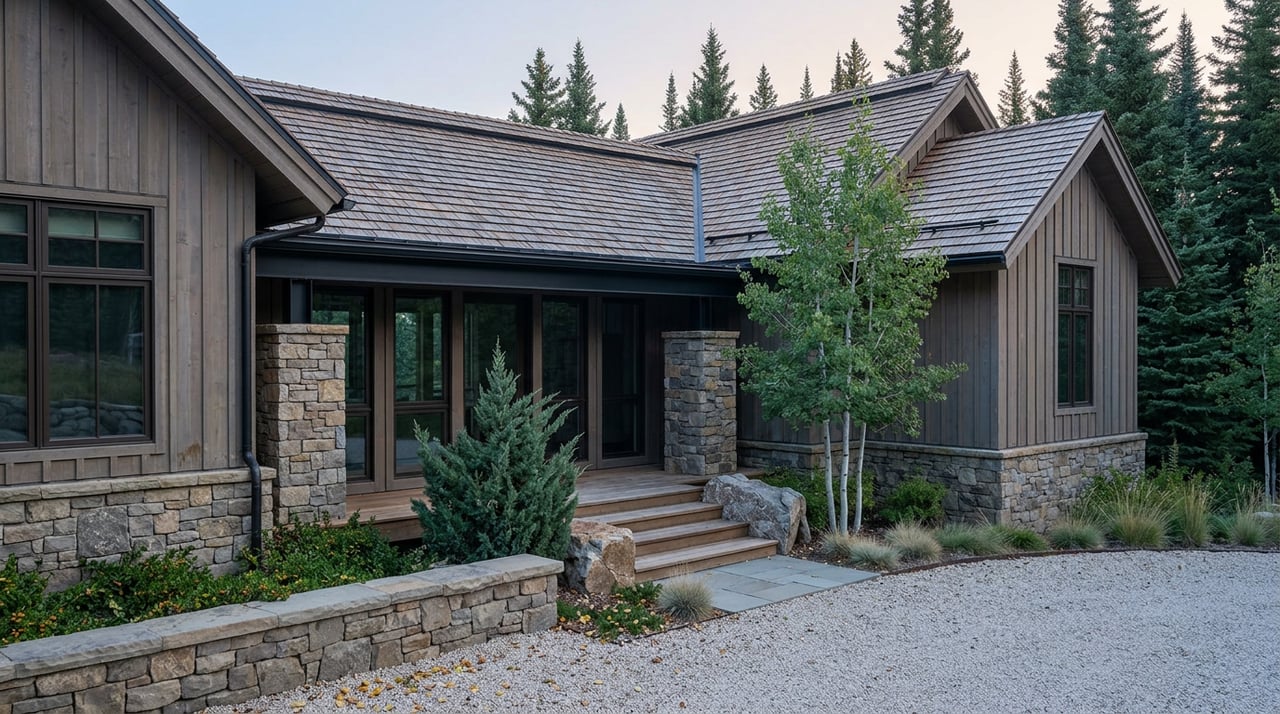
Is the high end in Evergreen still moving, or has it cooled? When you are selling a mountain luxury home, small data sets, seasonality, and unique property features can make the market feel unpredictable. You deserve clear, local guidance that explains what “luxury” means here, how to read key metrics, and what to do before you list. This guide breaks down the trends, the numbers to watch, and the mountain-specific steps that help you sell with confidence. Let’s dive in.
What counts as luxury in Evergreen
Luxury means different things in different markets. A transparent way to define it is by percentile: the top 10 percent of Evergreen home prices marks entry-level luxury. Industry analysts commonly use this 90th percentile benchmark because it adjusts as the market moves. You can also talk in practical price bands, such as $1 million to $1.5 million, $1.5 million to $2 million, and $2 million plus, and then compare how each band performs.
Whichever approach you choose, label it clearly in your pricing conversation: which data set you used, the time frame, and whether you looked at active listings or closed sales. In Evergreen’s small luxury segment, a percentile method helps you avoid misreading a single outlier sale. Ask your agent to calculate both the 12‑month rolling 90th percentile and the current distribution of active listings so you see the full picture.
Why luxury numbers swing month to month
The Evergreen luxury tier has fewer transactions than the broader market. One very high closing can move the median more than you might expect. That is why it is best to rely on 12‑month rolling medians and 3‑month moving averages, not a single month snapshot. This smoothing helps you see the real trend instead of noise.
Different public sites often show different medians because they track different metrics, such as median list versus median sold price. What matters for your sale is defining the metric and window upfront, then sticking to it for apples‑to‑apples comparisons over time. Keep an eye on sample size and remember that a handful of ultraluxury closings can skew a short-term view.
Inventory, absorption, and days on market
A few simple measures tell you whether the luxury tier favors buyers or sellers.
- Active luxury listings: the current count at or above your luxury threshold or within your selected price bands.
- Monthly luxury closings: the average number of sales per month in the last 12 months.
- Months of supply: active listings divided by average monthly sales. Lower supply suggests stronger seller leverage.
- Median days on market: how long properties take to go under contract on a rolling 12‑month basis.
- Sale‑to‑list ratio and price reductions: show pricing precision and demand strength.
Review these by price band. For example, the $1 million to $1.5 million range may move quicker than $2 million plus. Always label the date range and metric so you can compare later without confusion.
Buyer demand signals that matter
Not all demand looks the same at the top of the market. Recent national data shows an elevated share of all‑cash purchases, especially above $1 million, which can change contingency and timing expectations for you as a seller. You can learn more about how cash has shaped negotiations in recent markets from this overview of cash‑buyer trends by the National Association of Realtors economists’ blog.
Second‑home and out‑of‑area buyers also play a bigger role in foothill and mountain communities. Analyses of resort‑adjacent markets highlight a meaningful second‑home presence, a pattern that often extends into Front Range foothills communities. For background on why second‑home demand rises in lifestyle destinations, see this summary of travel‑work “workcation” hotspots from Pacaso.
Seasonality and timing your list date
Evergreen typically sees more listings and showings in spring and early summer, when properties present at their best. If your goal is broad reach and the largest buyer pool, aim for that window. If you prefer less competition and more serious showings, late fall and winter can work well, but expect fewer in‑person tours. Review several years of month‑by‑month sales with your agent to fine‑tune timing for your price band.
Evergreen factors that shape luxury pricing
Neighborhood and amenity differences
High‑end inventory clusters in pockets such as north Evergreen, Bergen Park, Hiwan areas, and larger acreage tracts across the foothills. Each pocket varies for lot size, water and sewer access, views, proximity to Evergreen Lake, and commute profile. Keep your pricing focused on true peers that share similar land characteristics, views, architectural style, and privacy.
Water, sewer, septic, and time‑of‑sale rules
Many Evergreen properties use private wells and on‑site wastewater treatment systems. Jefferson County requires a time‑of‑sale use permit for septic systems. If your home has an OWTS, get your documentation in order early to avoid a closing delay. You can confirm current requirements through Jefferson County’s OWTS guidance.
Wildfire risk, mitigation, and insurance
Evergreen sits in a wildland‑urban interface where mitigation efforts and documentation matter. The county has invested in expanded wildfire management, which supports community preparedness and can influence insurance underwriting. See recent coverage of Jefferson County’s wildfire program investments from Denver7, and find Community Wildfire Protection Plan resources through the Colorado State Forest Service.
Sellers who can show defensible‑space work, Class A roofing, or Firewise actions are often more marketable. Buyers and insurers look for that proof up front.
Access, snow, and maintenance
Driveway slope and length, private road agreements, gates, and snow removal plans are practical items luxury buyers want to understand. Clarify who maintains the road, whether the county or an HOA handles plowing, and any seasonal access notes. Add this to your pre‑list disclosure packet so out‑of‑area buyers can decide quickly.
Local taxes and special districts
Many Evergreen parcels sit inside multiple taxing districts, which affects carrying costs. Gather your latest tax bill and a mill‑levy breakdown. Buyers appreciate clear numbers on fire, water and sewer, and metropolitan district assessments during early due diligence.
Pricing strategy for luxury sellers
Start with clarity. Define your luxury threshold, note whether it is based on active listings or closed sales, and specify the date range. Then break your home’s likely buyer pool into practical bands, such as $1 million to $1.5 million, $1.5 million to $2 million, and $2 million plus.
Next, review 12‑month rolling stats for each band: number of sales, median price and price per square foot, months of supply, median days on market, and the share of listings with price reductions. Weigh lot size, privacy, view corridors, outdoor living, and recent off‑market activity when you select comparables. In Evergreen, these attributes can be worth far more than interior square footage alone.
Marketing and presentation that move the needle
Luxury buyers shop with their eyes first, and many are remote. Build a launch that respects that reality.
- High‑quality visuals: professional HDR photography, twilight exteriors, drone video for acreage and views, and a polished 3D tour for remote buyers. See a concise list of best practices in this luxury marketing checklist.
- Strategic exposure: targeted social advertising and select placements in upscale channels to reach second‑home buyers.
- Discretion options: if privacy matters, consider a limited pre‑market or pocket strategy, balancing privacy with the potential for broader competition.
Pre‑sale technical prep for mountain homes
Tighten your file before you go live. A clean package helps buyers move with confidence and protects your price.
- Pre‑listing inspection: a general inspection can surface issues early and reduce renegotiation later. Here is a simple overview of how these reports support sellers from Zillow’s guide.
- Septic and well: schedule your OWTS use permit inspection and well flow and water quality tests as needed. Jefferson County outlines its septic use‑permit process here: Jeffco OWTS.
- Wildfire mitigation file: gather before‑and‑after photos, invoices for defensible‑space work, and any community certifications. The Colorado State Forest Service hosts CWPP resources you can reference.
- Insurance readiness: in higher‑risk foothill areas, insurers may require mitigation for new policies, which affects buyer financing and closing timelines. For context on today’s coverage environment, review this summary of Colorado wildfire home insurance considerations.
- Community preparedness: for homeowner education materials you can share with buyers, see the Evergreen Area Chamber’s wildfire preparedness resources.
Negotiation and contract expectations at the top tier
Expect fewer but more qualified offers in the highest price brackets. All‑cash or large‑down‑payment buyers are common, which can change appraisal and financing contingencies. Set clear expectations on occupancy timing, rent‑backs, and furniture or equipment inclusions that matter to second‑home purchasers. If certainty is your top goal, a strong cash offer with straightforward terms may be worth more than a slightly higher financed offer. For a deeper look at how cash shapes today’s market dynamics, see NAR’s cash‑buyer analysis.
What to track with your agent
Use this quick list to stay focused on what moves your outcome:
- Entry‑level luxury threshold and selected price bands, labeled with source and date range.
- Active luxury listings and average monthly closings in each band.
- Months of supply by band, plus median days on market.
- Median sale price and price per square foot by band.
- Share of listings with price reductions and the median sale‑to‑list ratio.
- Offer intensity signals: showings in the first 7 to 14 days, number of offers, and early escalation activity.
- Buyer profile trends: cash share and in‑state versus out‑of‑state purchasers.
The bottom line for Evergreen sellers
Evergreen’s luxury market is specialized, with small‑sample volatility and property features that matter more than any single headline number. If you define your segment clearly, track months of supply by band, and prepare your home for mountain‑specific questions about septic, access, and wildfire, you will negotiate from a position of strength. When you are ready to talk timing and pricing for your address, connect with a local specialist who blends luxury marketing with mountain know‑how. To get a tailored read on your property and a step‑by‑step plan, reach out to Alicia Sexton.
FAQs
What defines a luxury home in Evergreen today?
- A practical definition is the top 10 percent of prices in Evergreen (90th percentile) or specific price bands such as $1 million plus. Your agent should label the source, date range, and metric used.
How do cash buyers affect my luxury sale?
- Cash buyers tend to waive or simplify financing contingencies and close faster, which can improve certainty; they may still negotiate on price based on inspection and risk.
When is the best time to list a luxury home in Evergreen?
- Spring and early summer offer the largest buyer pool and best presentation, while late fall and winter can deliver serious buyers with less competition but fewer showings.
What inspections or permits should I complete before listing a mountain luxury home?
- Plan a pre‑listing inspection, septic use‑permit inspection if you have an OWTS, and well tests as needed; gather wildfire mitigation documentation to ease insurance and underwriting.
How can wildfire risk impact insurance and closing timelines?
- Insurers may require mitigation steps for new policies; having defensible space, Class A roofing, and documentation ready can speed underwriting and reduce last‑minute delays.
Do I need different marketing for a luxury home in Evergreen?
- Yes. High‑end listings perform best with pro photography, drone, and 3D tours to reach remote buyers, plus targeted digital exposure and, when appropriate, discreet pre‑market outreach.