Snowstorms, steep grades, and private roads are part of daily life in Conifer. If you are comparing two similar homes and wondering why one has an HOA and the other has only a road association, you are not alone. Understanding the difference can impact your budget, winter access, resale, and even wildfire preparedness. This guide breaks down how each works, what they cost, and what to review before you buy so you can move forward with confidence. Let’s dive in.
HOA vs road association basics
An HOA is a broader community organization with recorded CC&Rs, bylaws, and rules that apply to all owners in the association. The board can set regular dues, levy special assessments, hire vendors, and manage architectural controls. HOAs often handle more than roads, like trash service, entrance maintenance, and common areas. Enforcement and processes are usually formal and defined in the documents.
A road association is narrower. Its job is to maintain private access roads and related features like drainage, culverts, roadside vegetation, and sometimes gates. It collects assessments for grading and plowing and hires contractors as needed. Enforcement depends on the specific, recorded road agreement or easements that bind owners.
In the Conifer area, you will find all three setups: HOAs that include road maintenance, stand-alone road associations, and hybrid communities where an HOA funds roads. Your rights and obligations always come from the recorded documents for the specific property.
How money works
HOAs collect regular dues to fund operations and reserves, and they can levy special assessments for big projects. Fees vary widely based on services and amenities. Best practice is to maintain a reserve fund and, ideally, a recent reserve study that forecasts long-term capital needs.
Road associations often assess annually for grading, gravel or paving, and plowing. Many small groups keep minimal reserves and rely on special assessments when major work pops up, like a culvert failure. How costs are split can be equal per lot or prorated by factors like frontage or usage.
In mountain Colorado, road associations commonly range from roughly $100 to more than $1,000 per lot per year, depending on length, condition, snow, and vendor costs. HOAs in Conifer range from modest fees for basic services to higher fees where more is included. These are general patterns only, so always verify the actual budget, dues schedule, and reserve balances for the property you are considering.
Maintenance and services to expect
Road care and snow
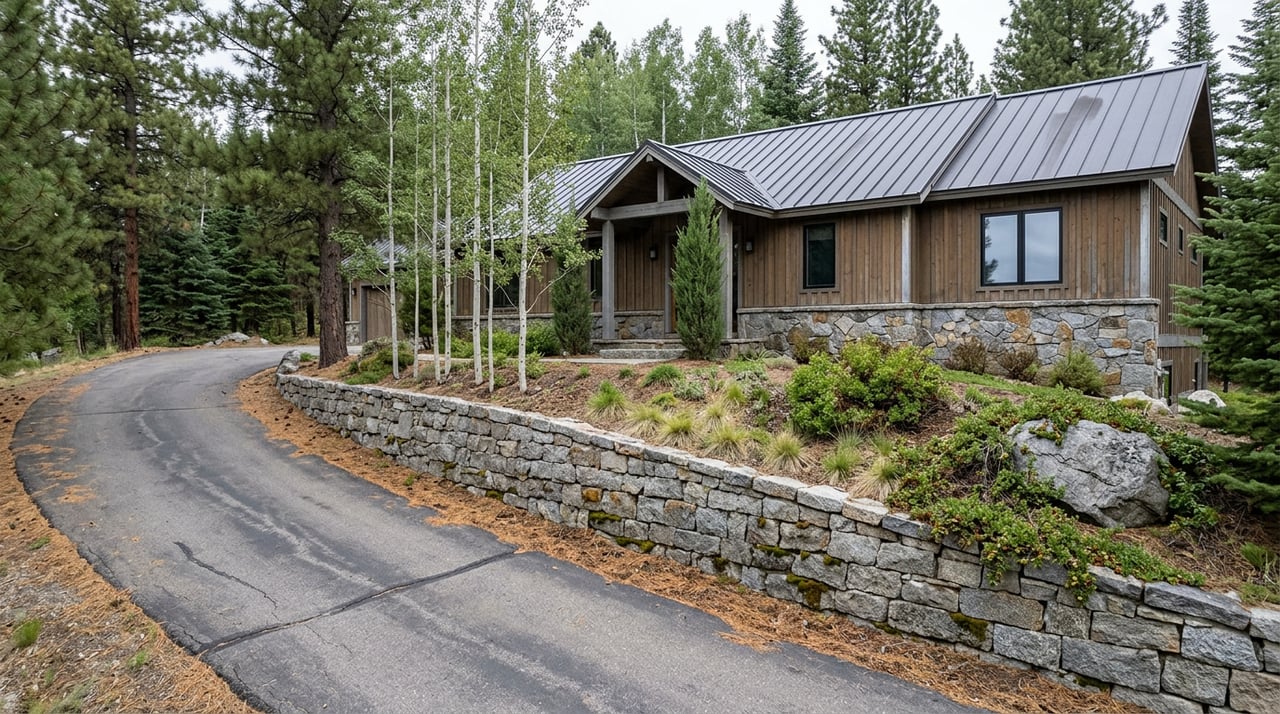
Private road associations are typically responsible for grading, surfacing, pothole repair, ditch work, and snow plowing. Contracts vary, so check when the road will be plowed, what triggers a pass, and what is excluded. Most road groups handle main access roads, not individual driveways.
Some roads are private because they were never accepted by Jefferson County for maintenance. Ask whether county acceptance is possible in the future and, if so, what upgrades would be required. Counties typically require standards for width, drainage, and turnarounds before accepting a road.
Drainage and culverts
Steep terrain and seasonal runoff make drainage a recurring cost. Culvert replacement and ditch clearing are common and can be expensive. Poor drainage can lead to washouts, ruts, lane narrowing, and access issues after storms, so check maintenance history.
Wildfire mitigation
Conifer sits in the wildland urban interface, so roadside vegetation management and defensible space near access routes matter. Some HOAs plan and budget for fuel reduction or community chipping days. Smaller road associations may coordinate volunteer efforts or periodic contractor work when funds allow.
Insurance and liability
HOAs commonly carry general liability and directors and officers insurance for association activities and common areas. Road associations may carry smaller liability policies or rely on contractor coverage and member indemnification. Confirm plow and road contractors carry appropriate insurance and verify limits.
Buyer due diligence checklist
Before you go under contract or as a contingency, request and review:
- Recorded CC&Rs, amendments, bylaws, and rules for an HOA
- Recorded road maintenance agreement or easements for a road association
- Current budget, year-to-date financials, and bank balance
- Reserve study for an HOA or the reserve policy and cash on hand for a road group
- History of regular and special assessments, plus any pending projects or litigation
- Board or member meeting minutes for the last 12 to 24 months
- Snow plow and road maintenance contracts, including contractor names and insurance certificates
- Insurance policies carried by the association
- ACC rules and enforcement history if an HOA is involved
- Dues collection history and any delinquencies
- Maps showing road ownership, maintenance boundaries, easements, and whether the county maintains any segments
Smart questions to ask
- How are road costs split, and can that change?
- When were roads last graded or paved, and what did it cost?
- What is the plow schedule during major storms? Who handles driveways?
- Are any culvert, drainage, or paving projects planned in the next 1 to 3 years?
- Has the community faced special assessments in the past 5 years? Why?
- Does the association have adequate insurance for road work and board actions?
- Has the county commented on accepting or rejecting the roads for maintenance?
Red flags to watch
- Little or no reserve funds combined with aging roads or drainage issues
- Frequent or recent special assessments, or hints that more are likely
- High delinquencies or difficulty collecting dues
- Vague or missing road agreements that do not clearly define duties and cost sharing
- Uninsured or underinsured contractors handling plowing or grading
- HOA rules that do not fit your plans, such as strict exterior or parking limits
- Ongoing disputes or litigation involving access, assessments, or contractors
Conifer context that matters
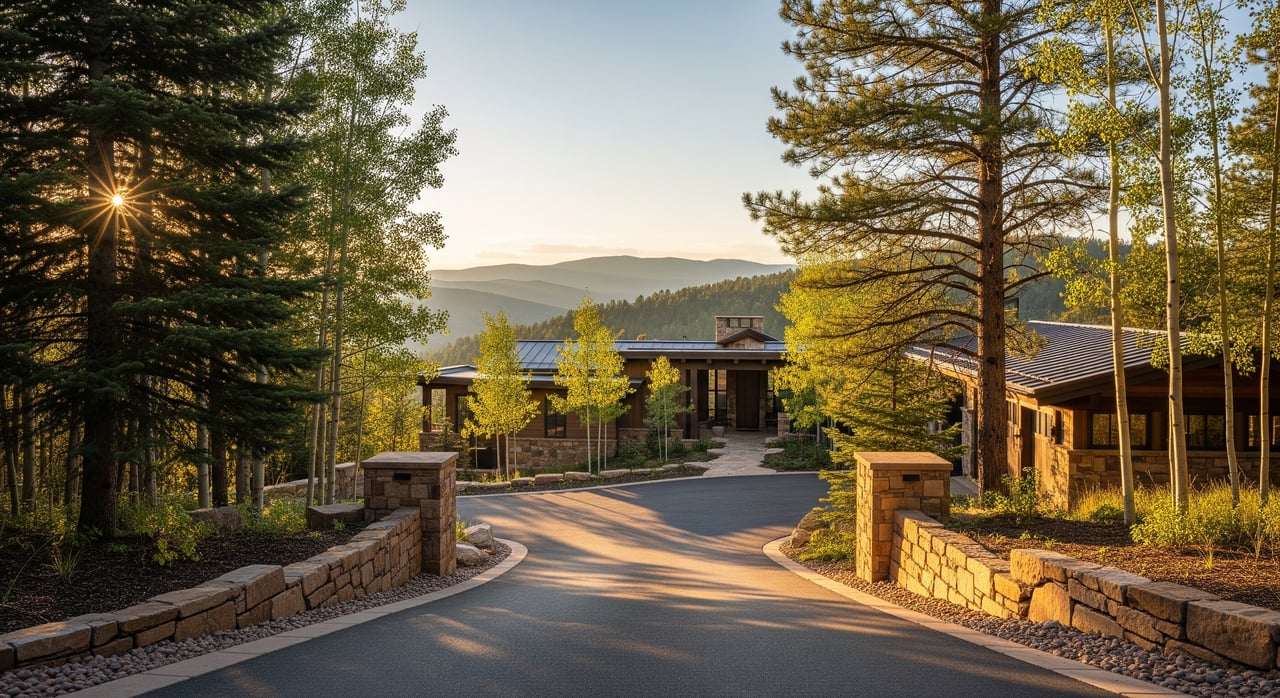
In Conifer’s semi-rural, mountain setting, road reliability and winter access are key. Longer private roads, steeper grades, and freeze-thaw cycles increase maintenance needs and costs. Many properties rely on wells and septic systems, and utility service varies by neighborhood, so plan for seasonal and infrastructure realities.
Because wildfire is a persistent risk, roadside fuel reduction and clear access for emergency vehicles can influence both safety and insurance. Some communities coordinate mitigation projects and fund them through dues or one-time assessments. Understanding the community’s plan for vegetation management is as important as checking plow schedules.
County policy generally limits maintenance to accepted public roads. Private roads typically remain the owners’ responsibility unless they are upgraded and formally accepted. If long-term county maintenance is a goal, ask what standards would apply and who would pay for upgrades.
How a local expert helps
You want clear documents, reliable access, and no budget surprises. An experienced mountain broker can help you gather the right records, spot red flags, and coordinate answers from the association and contractors before you commit. With certifications that include Certified Mountain Area Specialist and deep local experience in Conifer and the 285 corridor, you get guidance grounded in how mountain communities really work.
If you are weighing HOA versus road association tradeoffs on a specific property, reach out to discuss your options and next steps. Connect with Alicia Sexton to review documents, compare costs, and align your decision with your lifestyle and budget.
FAQs
What is the main difference between an HOA and a road association in Conifer?
- An HOA oversees broader community rules, budgets, and sometimes amenities, while a road association focuses narrowly on maintaining private access roads and related drainage.
Who plows private roads during winter in Conifer neighborhoods?
- Most private roads are plowed by contractors hired by the HOA or road association per a written contract that sets response times, triggers, and coverage.
How are road association dues typically calculated in the Conifer area?
- Dues may be an equal per-lot share or apportioned by factors like frontage or usage, as defined in the recorded road agreement or covenants.
Can a road association place a lien for unpaid assessments in Colorado?
- It depends on the recorded documents; some road agreements create lien rights, while others rely on contract remedies, so you must verify what is recorded for the property.
What documents should I review before buying on a private road in Jefferson County?
- Ask for the road agreement, current budget, financials, contractor insurance, meeting minutes, and any history of special assessments or planned capital projects.
How does wildfire risk affect HOAs and road associations in Conifer?
- Associations may coordinate roadside fuel reduction, chipping days, or defensible space projects and can assess members to fund mitigation and improve emergency access.