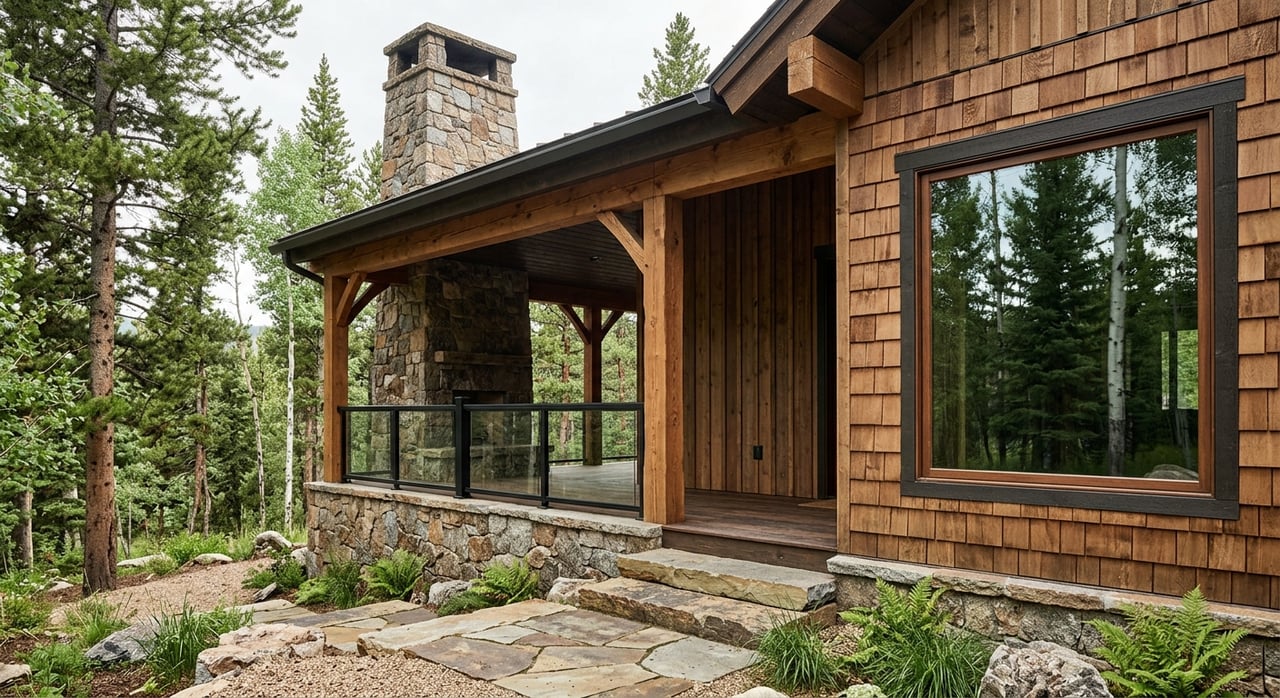
Dreaming about a mountain escape that does not require an all-day drive? Pine and Bailey attract buyers for exactly that reason. If you want a weekend cabin with quick access from Denver, strong recreation options, and real mountain character, this corridor deserves a closer look. The key is knowing whether the lifestyle fits you, not just the view. Let’s dive in.
Why Pine and Bailey Stand Out
Pine and Bailey sit along the U.S. 285 mountain corridor southwest of Denver, and both are known for feeling close enough for regular weekend use. According to Jefferson County’s overview of life in the area, Pine is about 6 miles down a winding canyon off U.S. 285, while Park County places Bailey about 40 miles west of Denver on U.S. 285. Colorado.com’s Pine community page also describes the area as less than an hour from Denver.
That proximity matters. If you are buying a second home, a shorter drive often means you will use it more often. Pine and Bailey can feel like true weekend destinations rather than places you save only for long holidays.
What the Area Feels Like
This corridor blends mountain scenery with practical access. In Pine, you are near the South Platte River, Pike National Forest, Pine Valley Ranch Park, fly-fishing, hiking, mountain biking, and the Buffalo Creek trail network, according to Colorado.com. That gives the community a tucked-away foothills feel with a strong outdoor identity.
Bailey offers a slightly different experience. Park County describes Bailey as a service-supported stop in Platte Canyon with nearby amenities that include a general store, gas station, restaurants, a library, gift shops, a lumberyard, a dental clinic, and a health center, as noted in the county’s development guidance. For many buyers, that extra convenience can make cabin ownership easier.
In simple terms, Pine often appeals if you want a more canyon-and-river setting. Bailey may feel more practical if you want mountain access with more everyday support nearby.
Who a Weekend Cabin Fits Best
A weekend cabin in Pine or Bailey is usually a strong fit if you want to trade some convenience for scenery, recreation, and a slower pace. The area works well for buyers who picture regular hiking, fishing, biking, or simply unplugging for a few days at a time. It also makes sense if you want a second home close enough to use in multiple seasons.
This type of property may be less ideal if you want low-maintenance ownership or suburban-style ease. The research points to a lifestyle that comes with more hands-on systems, weather considerations, and ongoing upkeep. If you prefer a lock-and-leave experience with minimal effort, you will want to look carefully at the property’s condition and access.
Cabin Styles You May Find
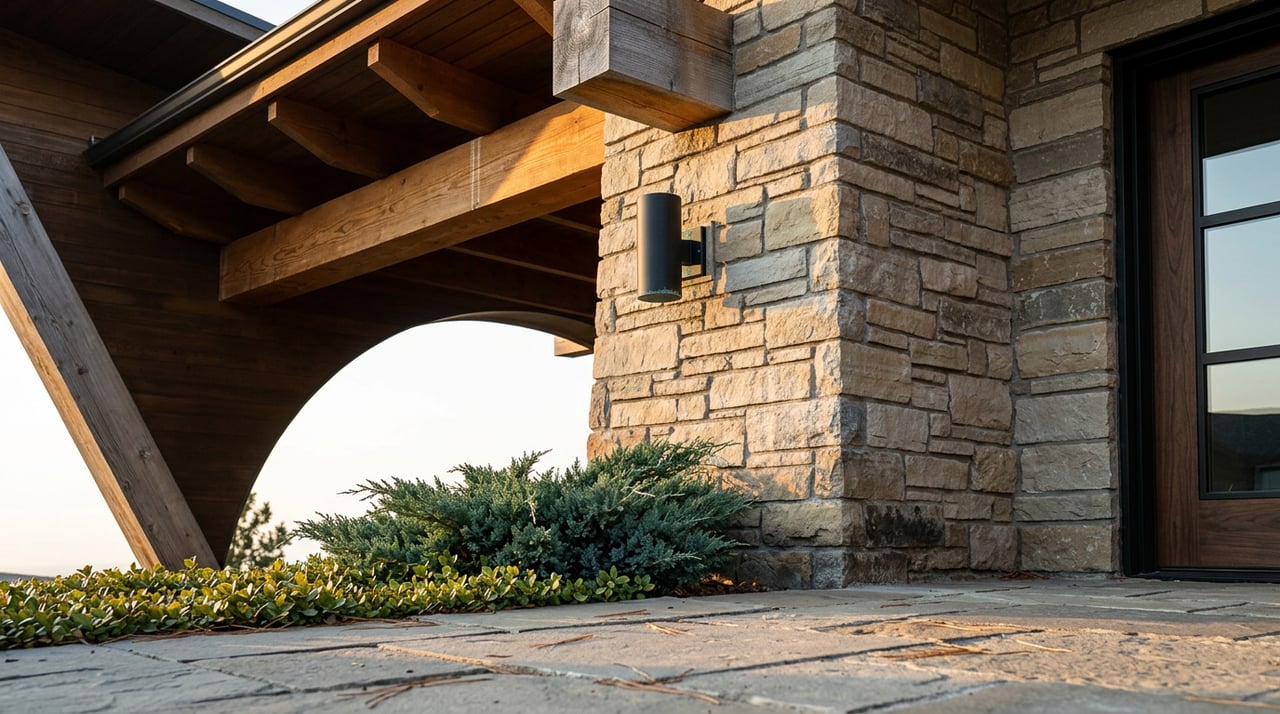
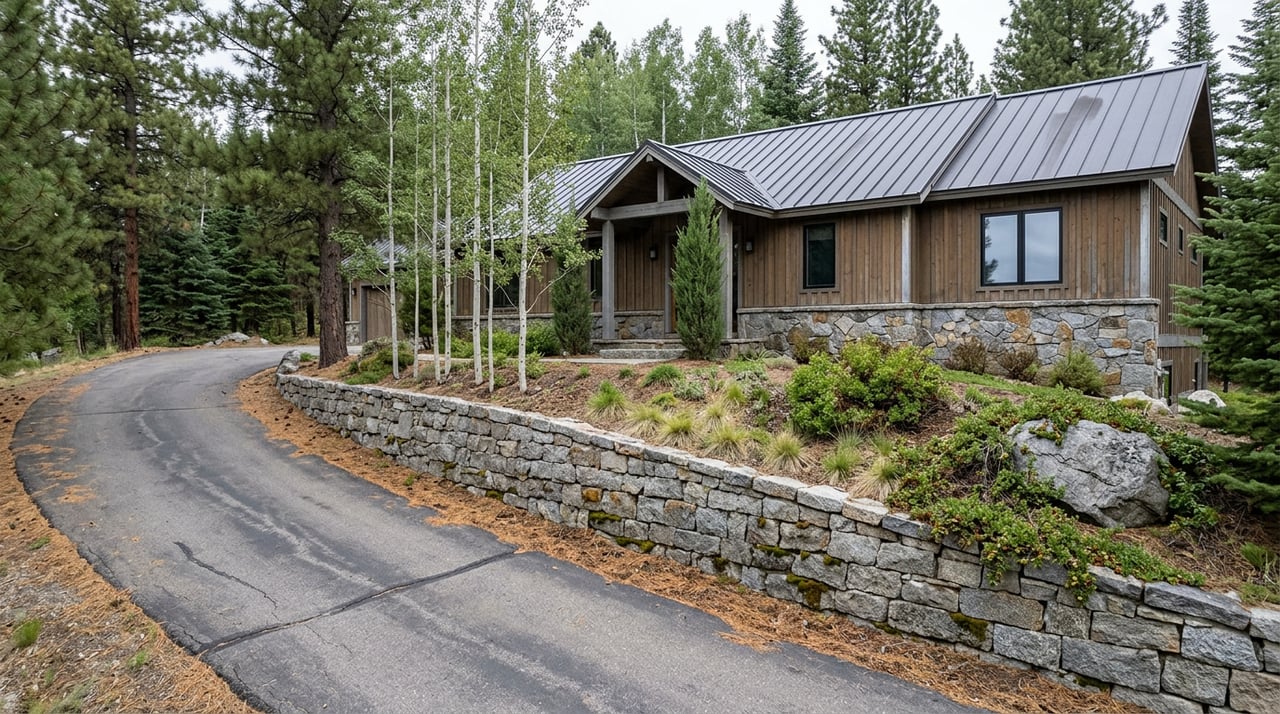
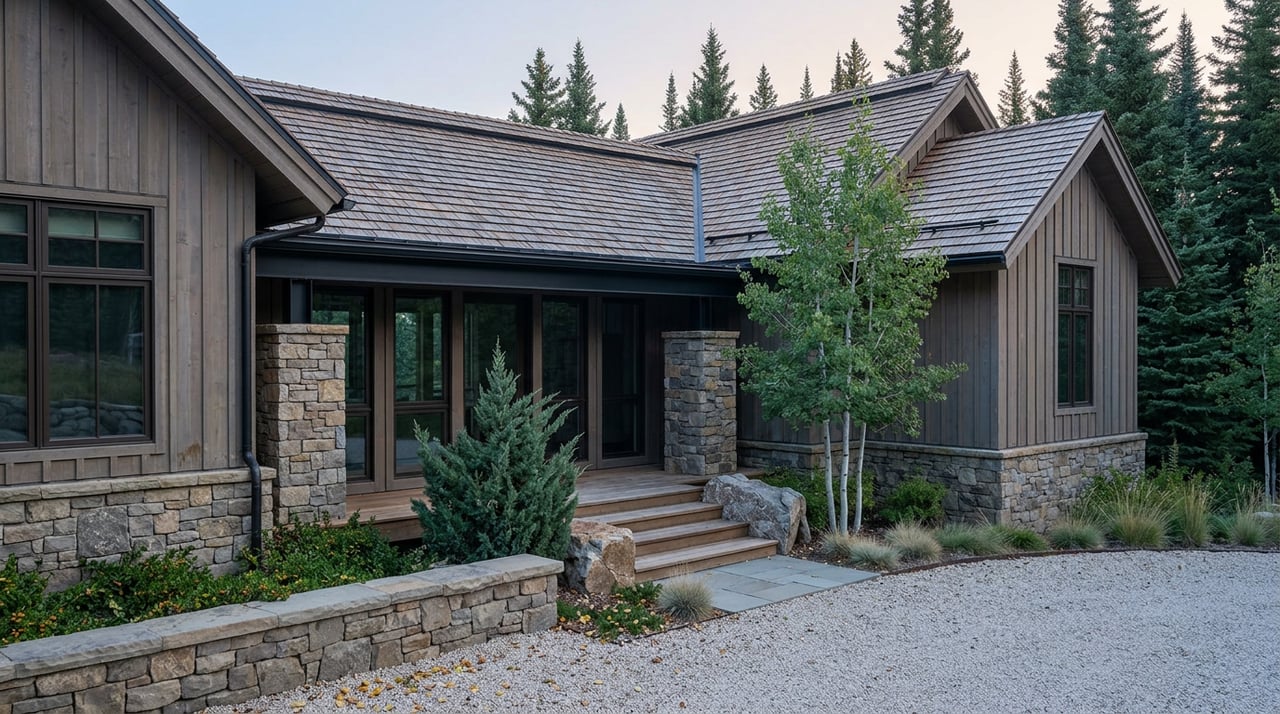
One of the appealing things about this market is that there is no single cabin formula. Colorado.com’s Pine page highlights riverfront cabins and cozy lodging, while a feature on a Bailey A-frame shows the kind of updated mid-century mountain style that many buyers love. Historic references in the area also point to older cabins and long-standing summer retreat traditions.
That suggests you may see a mix of:
- Historic log cabins
- A-frames
- Rustic cottages
- Remodeled weekend retreats
- More updated homes with cabin character
For you as a buyer, that means your search should start with lifestyle goals. Do you want charm and history, or would you rather have updated systems and easier maintenance? Both options may exist here, but they offer very different ownership experiences.
The Biggest Ownership Realities
A mountain cabin can be rewarding, but it is rarely carefree. In Pine and Bailey, the most important ownership factors often have less to do with finishes and more to do with how the property functions year-round.
Well and Septic Systems
Colorado State University Extension notes that mountain homeowners commonly rely on private wells and septic systems, and owners are responsible for testing drinking water and maintaining septic systems. Their homeowner water guide is a helpful reminder that these systems need regular attention.
Park County’s development guidance adds that owners should obtain a well permit before drilling and have well water tested by a certified laboratory before household use, especially for bacteria, nitrates, radioactivity, and metals. If you are considering a weekend cabin, you will want to review testing records, service history, and system documentation early.
Road Access and Snow Removal
Roads can shape your experience more than you expect. Park County states that it maintains only roads in the county road system and does not maintain private roads. It also says snow removal on lower-priority roads is a courtesy rather than a required service, which is outlined in its development guidelines.
Jefferson County also notes that driveway approaches affected during snow operations are the property owner’s responsibility, and new or modified driveways on county-maintained roads may require review under county access rules. For Pine buyers, Jefferson County identifies Road & Bridge District IV as the district serving Pine, Conifer, and Buffalo Creek.
For you, the practical question is simple: are you comfortable with winter access conditions and driveway maintenance? A beautiful cabin can feel very different in January than it does on a sunny July afternoon.
Wildfire Mitigation
Wildfire readiness is part of mountain ownership. The Colorado State Forest Service says homes in the wildland-urban interface need ongoing maintenance, including clearing debris from roofs, decks, and gutters, screening vents, maintaining a Class A roof, and creating a noncombustible zone around the structure. Their home ignition zone checklists offer a strong framework for what to review.
CSU Extension also emphasizes that mitigation is not a one-time project. It is an ongoing part of owning in a mountain setting. That means you should think about wildfire work as both a safety issue and a recurring budget item.
Questions to Ask Before You Tour
Before you fall in love with the setting, it helps to get practical. A cabin may look perfect online, but the right fit depends on how you plan to use it and how much hands-on ownership you want.
Here are smart questions to ask before touring cabins in Pine or Bailey:
- How often will you use the property during winter?
- Is the home on a county-maintained road or a private road?
- What are the snow removal expectations for the road and driveway?
- What is the age and service history of the well, septic system, and propane equipment?
- Are water testing records available?
- What wildfire mitigation work has already been completed?
- Do you want a project cabin, a remodeled retreat, or a lower-maintenance newer home?
- Will the property be only for your personal use, or do you also need to research rental rules, insurance, and caretaker logistics?
These questions can save you time and help you compare homes more clearly. They also help you focus on ownership fit, not just curb appeal.
Pine vs. Bailey for Weekend Buyers
If you are deciding between the two, it often comes down to feel and convenience.
| Area | What Stands Out | Best For |
|---|---|---|
| Pine | River valley setting, foothills feel, access to South Platte River, Pine Valley Ranch Park, and nearby trail systems | Buyers who want a more tucked-away cabin setting with strong recreation access |
| Bailey | Highway-access convenience, nearby everyday services, gateway to Park County recreation | Buyers who want mountain character with more practical support nearby |
Neither is universally better. The right choice depends on how you define a relaxing weekend and how much convenience you want built into the experience.
So, Is a Weekend Cabin Here Right for You?
A weekend cabin in Pine or Bailey can be an excellent match if you want mountain access close to Denver, enjoy outdoor recreation, and are comfortable with the realities of mountain property ownership. The lifestyle offers real rewards, but it usually comes with tradeoffs like private systems, road considerations, snow planning, and wildfire upkeep.
If that balance sounds right to you, this corridor is worth serious attention. And if you want a local perspective on how to compare properties, access, and mountain-specific issues before you buy, Alicia Sexton can help you evaluate your options with clear, experienced guidance.
FAQs
Is Pine or Bailey closer to Denver for a weekend cabin buyer?
- Both are considered close-in mountain options along U.S. 285, and sources describe them as less than an hour from Denver, with Bailey about 40 miles west of Denver and Pine accessed a few miles off the highway.
What types of cabins can you find in Pine and Bailey?
- Buyers may find a mix of historic log cabins, A-frames, rustic cottages, and remodeled weekend retreats based on local tourism and historic examples.
Do Pine and Bailey cabins often have wells and septic systems?
- Yes. Mountain homes in this area commonly rely on private wells and septic systems, so testing records and maintenance history are important parts of due diligence.
What should you know about winter road access in Bailey or Pine?
- You should confirm whether the property is on a county-maintained or private road, understand snow removal expectations, and review driveway access responsibilities before buying.
Is wildfire mitigation important for cabins in Pine and Bailey?
- Yes. Ongoing wildfire mitigation is a key part of mountain homeownership and can include debris removal, vent screening, roof considerations, and maintaining a noncombustible area near the home.
Who is a good fit for a weekend cabin in Pine or Bailey?
- A good fit is usually someone who values quick mountain access, recreation, and cabin lifestyle benefits and is comfortable with seasonal conditions and ongoing property maintenance.