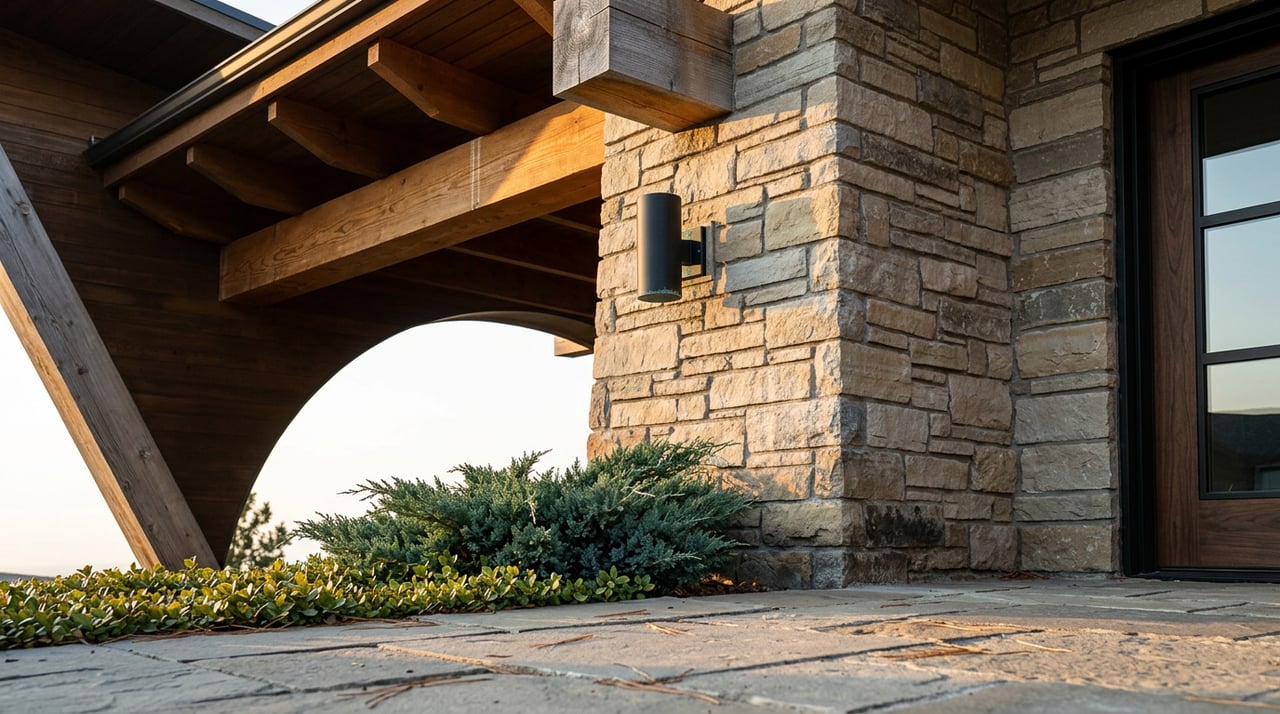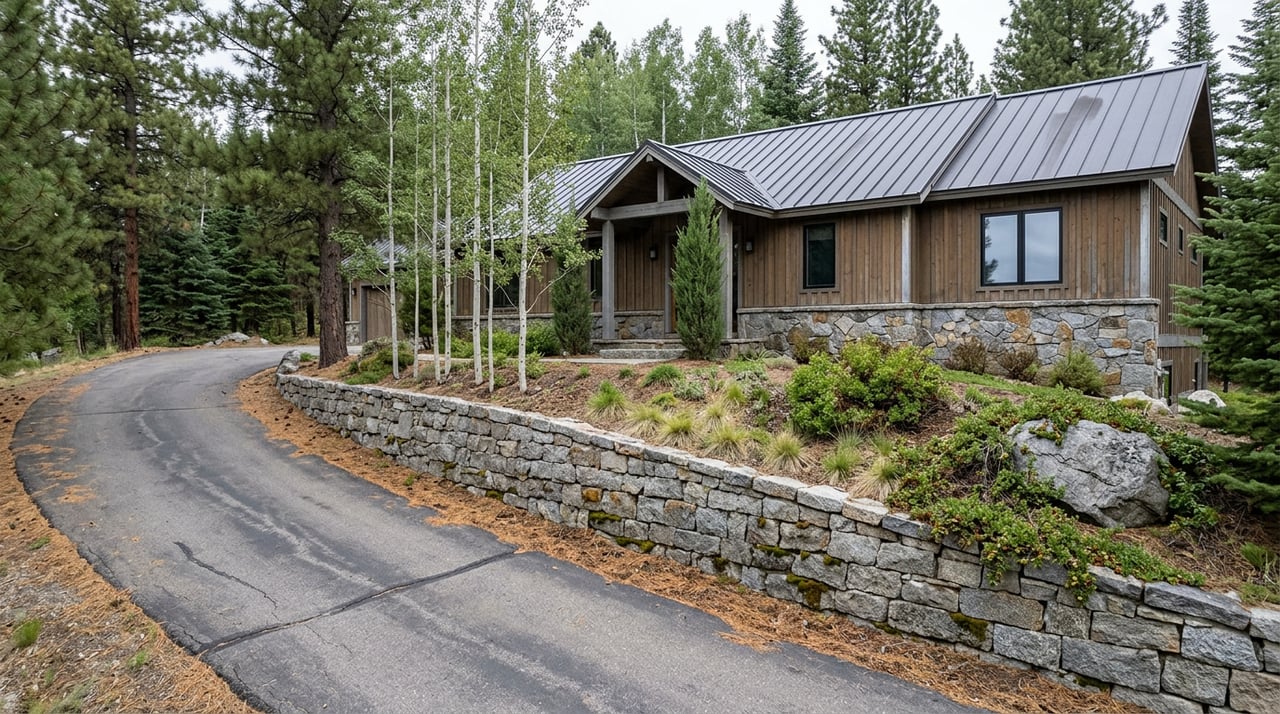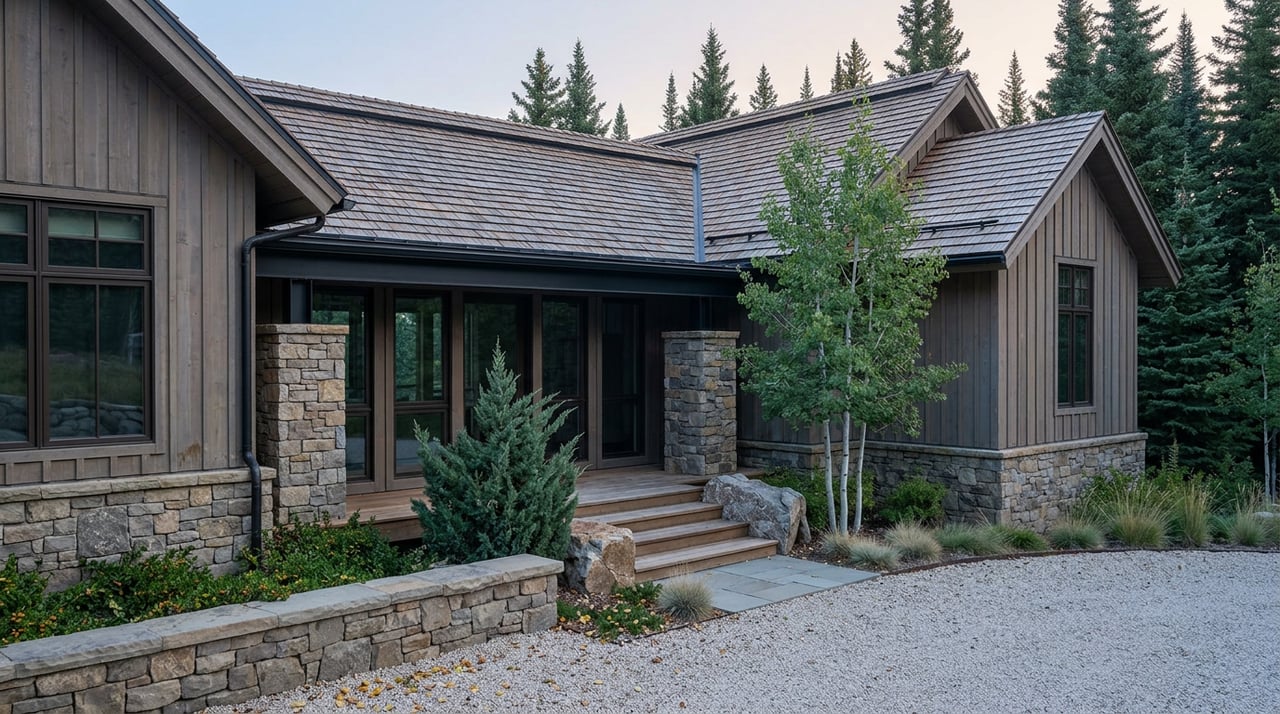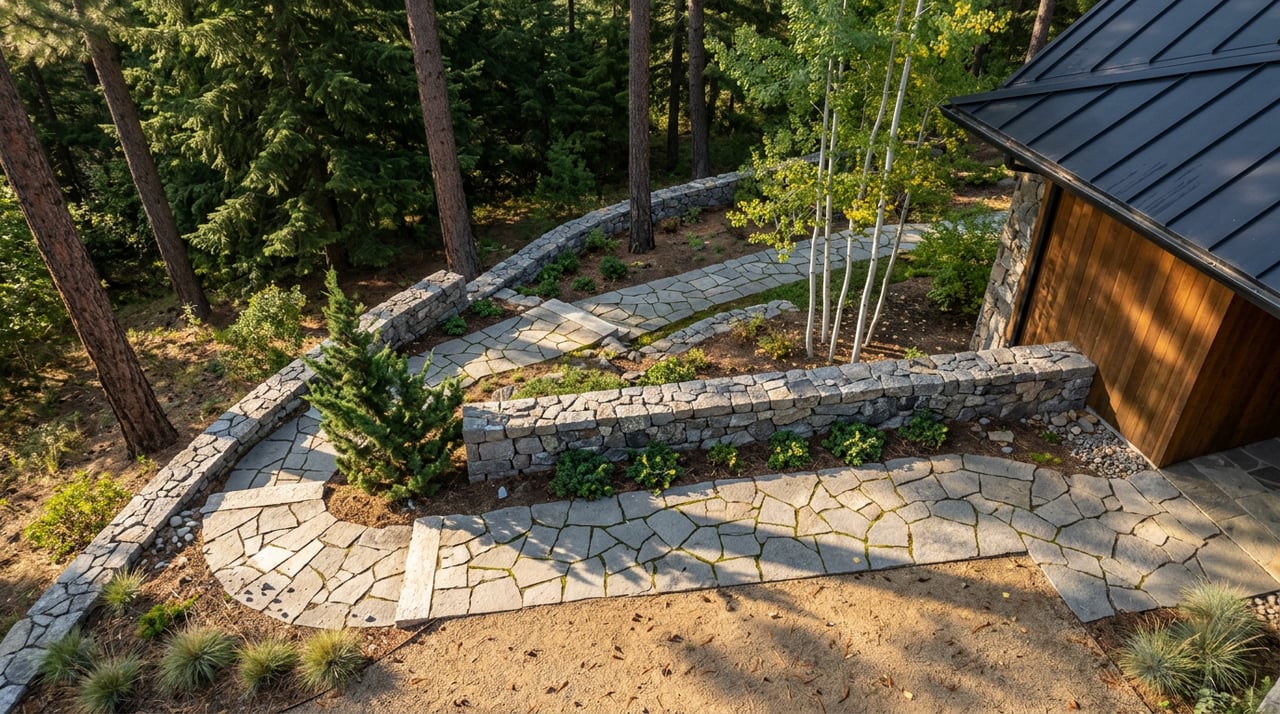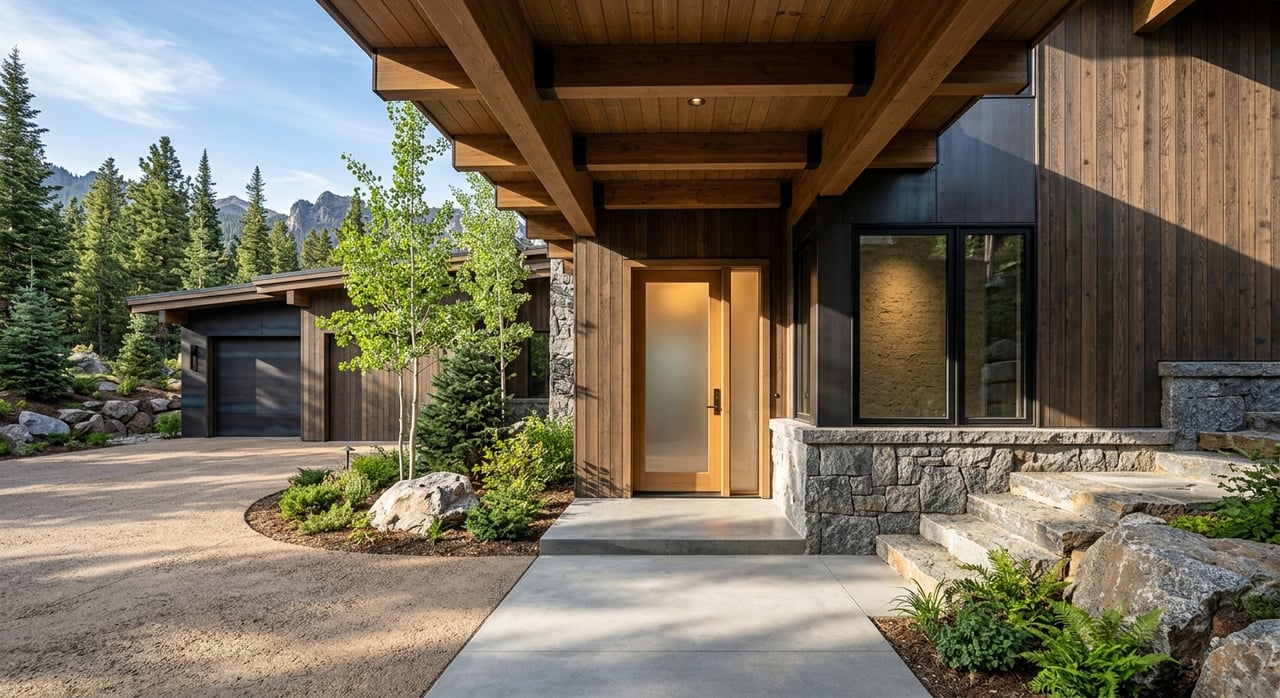
If you want a home that feels closer to the foothills without giving up access to Denver, Boulder, or the west side job centers, Golden deserves a serious look. It offers that rare middle ground where open space, mountain views, and trail access meet practical commute options. If you are weighing lifestyle against drive time, this guide will help you understand how Golden really works for Front Range commuters. Let’s dive in.
Why Golden fits commuters
Golden stands out because it is not a sprawling outer-edge suburb. The city is a mature, built-out community with limited room for large future residential expansion, and its long-term planning emphasizes both access to open space and connections for drivers, cyclists, pedestrians, and transit riders.
That matters if you want a foothills setting that still feels tied into the metro area. Golden gives you a mountain-adjacent lifestyle without feeling isolated from regional job centers. It is a strong option for people who want daily convenience and weekend recreation in the same place.
Census estimates also help frame the day-to-day picture. Golden had an estimated population of 20,151 in 2024, with a mean travel time to work of 24.4 minutes. Those numbers support what many buyers are looking for here: a smaller, established community with workable regional access.
How commuting from Golden works
The first thing to know is that commuting in Golden is highly destination-specific. The city sits at the junction of I-70, C-470, SH-93 and US-6, US-40, SH-58, 19th Street and Lookout Mountain Road, Ford Street and South Golden Road, and Heritage Road.
In practical terms, that means your best location in Golden depends on where you go most often. A commute toward downtown Denver may call for a different strategy than a drive to Boulder, Denver West, Federal Center, or west-side business hubs.
There is one more layer to keep in mind. Golden’s road network can also create local bottlenecks, and the city notes that major highways and roads can restrict movement from one part of town to another. So when you shop for a home here, it helps to think beyond simple map distance and focus on your actual route.
Driving routes matter most
For drivers, Golden offers excellent regional connectivity, but reliability can vary. CDOT describes the I-70 Mountain Corridor as vital but also challenging, congested, and sensitive to weather and heavy traffic.
That is especially important if you expect to use west-side corridors often. You may have strong access on paper, but your real experience can change based on weather, time of day, and which side of town you start from.
If your schedule is flexible, Golden can work very well. If your job depends on a strict arrival time every day, route planning becomes a bigger part of your home search.
Transit is a real backup plan
Golden is also stronger on transit than many foothills-adjacent communities. RTD’s W Line runs from Union Station to Jefferson County Government Center-Golden, with service every 15 minutes between Federal Center and Golden.
That gives some commuters a useful alternative to driving, especially for Denver-bound trips. It also creates more flexibility if you want to reduce car use on certain days or keep a backup option for winter weather and heavier traffic periods.
The station setup matters, though. The Jefferson County Government-Golden station includes free park-and-ride parking near 6th Avenue and Johnson, while Golden’s downtown transfer station does not have RTD parking.
Buses add flexibility
Golden’s local bus network helps fill in the gaps. Route 17 connects Golden with Colfax, Denver West, Colorado Mills, Federal Center, and the W Line.
Route GS links Golden to Boulder through Federal Center, NREL, and downtown Boulder. If you want foothills access but still value a transit option for Boulder or Denver, that is one of Golden’s most practical advantages.
For some buyers, this changes the home search entirely. A property that is not ideal for a daily drive may still make sense if it offers easier access to a transit stop or a park-and-ride pattern that fits your routine.
How Golden neighborhoods feel
One of Golden’s biggest strengths is variety. The commute experience, housing style, and overall feel can shift quite a bit depending on which part of town you choose.
That is why it helps to think in terms of tradeoffs. Some areas lean more walkable and central. Others feel more mountain-edged and private. Neither is automatically better. It depends on how you want to live between work hours.
Central neighborhoods offer balance
Golden’s central neighborhoods tend to provide the clearest mix of in-town convenience and established character. The city describes this area as an eclectic blend of original homes, early subdivisions, newer construction, single-family homes, multifamily homes, rentals, and cohousing.
The East Street area adds historic homes, post-World War II bungalows, and multi-story homes near Fossil Trace. This part of Golden is largely built out, which contributes to its established feel.
If you want walkability, easier access to downtown services, and a more connected daily routine, central Golden often delivers that balance. For many commuters, this is where lifestyle and practicality align most easily.
North Table Mountain feels more foothills-oriented
The North Table Mountain area, also called Mesa Meadows in city planning, borders open space and has a more mountain-forward feel. The city notes newer, larger homes in the north and older, smaller homes from the 1950s and 1960s toward the south.
Ford Street serves as the main ingress and egress route here. That means access can feel straightforward in one sense, but route choice becomes more important because there is less grid-like flexibility.
If you love being close to hiking, biking, and climbing, this area may feel like a strong fit. You just want to weigh that lifestyle benefit against road access, slope, and commute pattern.
Lookout Mountain side feels more tucked away
Beverly Heights and the Lookout Mountain side of Golden lean further into the foothills setting. These homes sit on lower east-facing slopes, which creates a more mountain-adjacent experience than the flatter parts of town.
That setting can be appealing if you want a quieter, more tucked-away feel. At the same time, terrain and access deserve more attention here than they would in a flatter neighborhood.
For buyers used to metro living, this is where Golden starts to feel more like a mountain transition zone. That can be a major plus, but it also rewards careful planning around roads, grades, and daily logistics.
South and southwest Golden vary block by block
South Table Mountain, Rimrock, and the Golden Southwest area show yet another pattern. Residential areas mix with businesses and multifamily housing along Ford Street and South Golden Road, and there are multiple access points into downtown Golden.
Some streets here also have steep grades or more limited-access pockets. That can create a different experience from one block to the next, even within the same general area.
If you are comparing homes in this part of Golden, the details matter. Two properties may seem close together on a map but offer very different commute ease, winter drivability, and neighborhood feel.
What housing looks like in Golden
Golden offers more housing variety than many buyers expect. The city’s planning documents support a continuum of housing choices, including preservation of older housing, retention of manufactured housing as a source of market-rate affordability, and integration of housing near transit and within existing neighborhoods.
That means the local market is not defined only by detached foothills homes. Depending on where you look, you may find older in-town houses, attached homes, condo-style options, multifamily living, and mixed-use residential settings.
Community Mixed Use districts in Golden are specifically intended for multifamily residential uses, local businesses, and mixed uses. For commuters, that can be appealing if you want a lower-maintenance home with easier access to walkable corridors or transit.
Price context for buyers
Golden is still a premium foothills market. Census estimates show a median owner-occupied home value of $837,700 and a median gross rent of $1,953, which helps explain why buyers often feel some sticker shock here.
In broad terms, older in-town homes and attached units tend to fall at the more attainable end of the market. Established single-family homes often sit in the middle, while larger view-oriented or hillside homes near open space usually command higher pricing.
That range is part of what makes Golden appealing. You can often choose which tradeoff matters most to you: more space, easier access, lower maintenance, stronger walkability, or a more pronounced foothills setting.
Winter and terrain matter more here
Golden may be close to the metro, but it still behaves like a foothills community in important ways. The city’s winter operations plan notes that Golden has many inclines, and while all streets are plowed during each storm, primary streets are maintained before secondary and residential streets.
That can affect your day-to-day experience more than buyers expect. A flatter in-town location may feel easier during winter mornings, while steeper foothill pockets may require more planning.
This is where local guidance becomes valuable. If you are deciding between two homes, it helps to think about slope, street priority, driveway conditions, and how quickly you need to get moving on a snow day.
How to choose the right Golden location
If you are thinking about Golden as a commuter base, try to choose your location based on routine, not just scenery. The prettiest setting is not always the easiest one for your weekday schedule.
A smart short list usually starts with a few practical questions:
- Where do you commute most often?
- Do you want a driving-first plan or a transit backup?
- How important is walkability to your daily routine?
- Are you comfortable with steeper grades or more route-limited access?
- Do you prefer an in-town feel or a more mountain-edge setting?
Golden works best when your home choice matches your real habits. For one buyer, that may mean a central neighborhood near downtown services. For another, it may mean a quieter foothills pocket with stronger trail access and a commute they are comfortable managing.
For many Front Range buyers, that is exactly why Golden stays in demand. It offers a lifestyle that feels distinct, but it still gives you real options for getting where you need to go.
If you are comparing Golden neighborhoods and want help weighing commute patterns, terrain, and day-to-day livability, Alicia Sexton can help you narrow in on the right fit with local foothills insight and a practical, client-first approach.
FAQs
Is Golden, Colorado good for Front Range commuters?
- Yes. Golden offers access to major regional corridors, the RTD W Line, and local bus routes, but the best fit depends on where you commute and how much flexibility you need.
Which part of Golden is best for commuting?
- It depends on your destination. Central neighborhoods often offer a strong balance of access and convenience, while foothills-edge areas may feel more scenic but require more attention to route planning and terrain.
Does Golden have public transit for Denver commuters?
- Yes. Golden is served by RTD’s W Line and local bus routes, including Route 17 and Route GS, which can provide useful alternatives or backups to driving.
Are Golden foothills neighborhoods harder in winter?
- They can be. Golden has many inclines, and while all streets are plowed during storms, primary streets are handled before secondary and residential streets.
Is Golden an expensive housing market?
- Golden is generally considered a premium foothills market. Housing choices range from older in-town homes and attached units to larger hillside properties near open space.
What should buyers compare when choosing a Golden neighborhood?
- Focus on commute route, transit access, slope, winter drivability, housing type, and whether you want a more walkable in-town setting or a more mountain-adjacent feel.